SCRATCHCOLUMNIST
FOOT notes
Award-winning pedicurist & advanced footcare practitioner, DENISE SPRAGG, shares insights to elevate your treatments
ABOUT DENISE SPRAGG
Denise set up a tai chi and yoga retreats company with her husband in 2005, which sparked an interest in holistic and beauty treatments. She has practiced manicure and pedicure services since 2011, is trained in advanced pedicure techniques and is an accredited Footlogix practitioner.
Alongside her husband, Denise runs health and wellbeing centre, The Sangha House, in Taunton, Somerset. She offers lacquer and gel pedicure treatments, as well as complex diabetic treatments. In 2023, Denise won the SOS Beauty Award for Footcare Practitioner of the Year, and she has founded footcare website, Elevate Pedicures.
www.elevatepedicures.com /denisespragg1971
Pedicure hygiene & client safety
From soothing soaks to glossy top coats, pedicures are more than a luxury – they’re a vital self-care ritual. But beneath the polish and pampering lies serious responsibility. For every therapist, upholding strict cleanliness protocols isn’t just about professionalism; it’s about protecting clients from preventable infections and maintaining the integrity of the industry.
IIn a post-pandemic era, when there is heightened awareness of health & safety measures, clients are better informed and more demanding when it comes to hygiene. So, how can nail professionals ensure pedicure services are not only relaxing, but safe?
Let’s take a closer look at this important subject…
Understanding the risks
The foot is an ideal environment for microorganisms to thrive: it’s warm, often enclosed in footwear and home to sweat glands. Combined with the fact that pedicure treatments can include exfoliation, cuticle work and callus removal – all of which can cause micro-abrasions, it’s clear why hygiene is non-negotiable.
When tools, foot baths or towels aren’t properly sanitised and cleaned, the risk of transmitting bacterial or fungal conditions rises significantly – including more serious infections, such as MRSA.
SALON HYGIENE: THE FOUNDATIONS
Sanitary workstations
Each pedicure station should be thoroughly cleaned between clients. This includes disinfecting surfaces, armrests, footrests and any other contact points using hospital-grade disinfectants. Don’t rush this step; always allow the full contact time recommended by the manufacturer.
Sterilised tools & clean towels
Reusable metal tools must be cleaned then sterilised using an autoclave or approved disinfectant solution. Ultrasonic cleaners can help remove debris before sterilisation. Tools like pumice stones, nail files and buffers, which are often porous, should be single-use unless the manufacturer confirms they are non-porous and sanitisation-safe.
To prevent cross-contamination, I use five fresh towels per client: one under the pedi bowl, one for the scrub, one for each foot to dry them and one during nail colour application. I launder them after every appointment at 60°C.
Foot bath safety
Pedicure baths can be a hidden hygiene hazard. Whirlpool-style tubs can harbour biofilm: a sticky layer of bacteria that resists disinfectants, if not cleaned correctly. Drain and clean the tub with soap and water, disinfect and allow full contact time, then rinse and dry between uses. However, for ease and efficiency, I recommend opting for a simple pedicure bowl with a disposable liner.
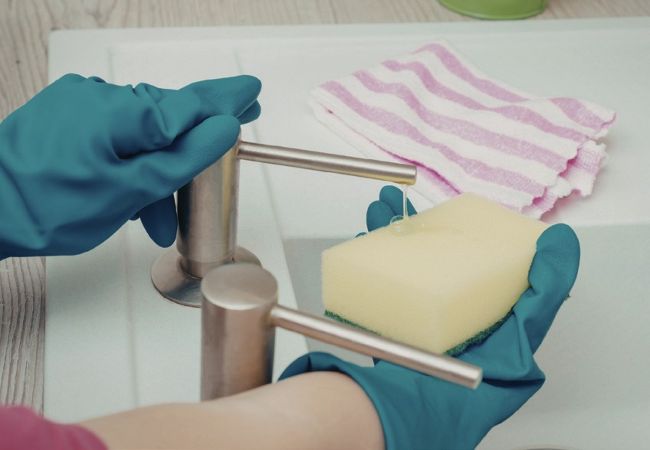
LEAD BY EXAMPLE
Personal hygiene
Clients notice everything – from clean uniforms to tidy hair and neat nails. But beyond appearance, professionals must regularly wash their hands, wear gloves when necessary and avoid working when ill or if they have open wounds.
Glove use
Gloves should be worn whenever possible, particularly during cuticle work or when there’s a risk of contact with bodily fluids. Gloves are not a substitute for handwashing, but rather a supplement to it.
Communication and consultation
Start every pedicure with a thorough consultation. Ask clients about recent infections, allergies and medical conditions like diabetes, which may increase the risk of complications. Never proceed with a treatment if there’s broken skin, suspicious discolouration or signs of fungal infection. Instead, recommend the client sees a footcare professional.
LEGAL & INSURANCE CONSIDERATIONS
Poor hygiene can have consequences far beyond a bad review. Claims of infection, even if unfounded, can lead to legal action and reputational damage. Being compliant isn’t just box-ticking; it’s your safety net. Ensure you:
• Adhere to your local authority’s hygiene guidelines.
• Maintain accurate records of disinfection procedures.
• Carry suitable insurance that covers treatment liability.
A CULTURE OF CARE
Hygiene doesn’t have to feel clinical or intimidating – for you or your clients. It simply means being meticulous, consistent and informed. As professionals, our role isn’t only to beautify, but to care – and that starts with keeping clients safe every time they sit in our chairs.
‘‘ Start every pedicure with a thorough consultation. Ask clients about recent infections, allergies and medical conditions like diabetes. ‘
Disposable or reusable?
One of the most common slip-ups in salon hygiene is misunderstanding which items can be reused. A general rule is: if it can’t be properly disinfected, you must dispose of it.
Items like toe separators, orange sticks and nail files should be single-use, unless specifically designed for sanitisation. Ensure bins are lined, have lids and are emptied regularly. Additionally, label all storage to avoid accidental reuse of contaminated tools.
Educating clients
Clients may not always be aware of what proper hygiene looks like. Use this as an opportunity to educate, not alarm. Explain your hygiene protocols proudly during treatments. Display certificates of compliance and sterilisation logs where clients can see them. This not only builds trust, but positions you as a conscientious and knowledgeable professional.