The extreme & fantasy formula
JESS WATTS rounds up 10 key considerations for extreme & fantasy nail styles, from structure & storytelling to conceptualisation, colour & cohesion
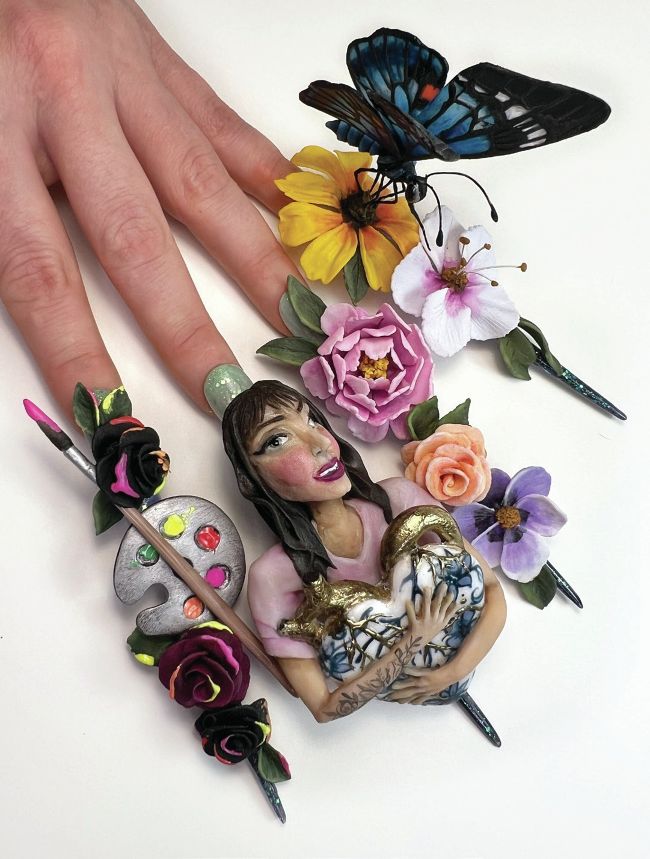
Jessica Vero’s submission for NASNA – Season 1, Challenge 5, which had the theme: ‘Challenge & Transformation’.
Among the most technically demanding and rewarding disciplines in the nail industry, extreme and fantasy designs expand the boundaries of nail art.
Scratch
explores 10 crucial components that must be taken into account when executing the extreme and finessing the fantastical…
DESIGN DICTIONARY
Extreme nails: structurally complex nail styles, featuring silhouettes that push the limits of traditional manicures in terms of length and shape. Fantasy nails: imaginative, highly decorative nail designs that prioritise expression and visual impact over everyday wearability.
1 Time tactics
Extreme and fantasy nails require a unique approach to timing. While a salon appointment may be scheduled for a two-hour window, larger-scale designs demand greater investment.

Jessica Vero
“I work best when I can dedicate full days to fantasy pieces,” says Jessica Vero, North America’s Star Nail Artist (NASNA) – Season 2 champion. “These projects require a different mindset compared to salon work, and it can be difficult to fully immerse yourself in the creative process if you’re constantly switching gears.”

Cathy Torres
NASNA – Season 2 Top Five competitor, Cathy Torres, adds: “I begin an extreme or fantasy project by mapping out its steps: planning, sculpting and painting – then I break them into daily or even hourly tasks. I also build in buffer time to handle unexpected challenges or revisions, so every detail stays on track without me rushing the artistry.”
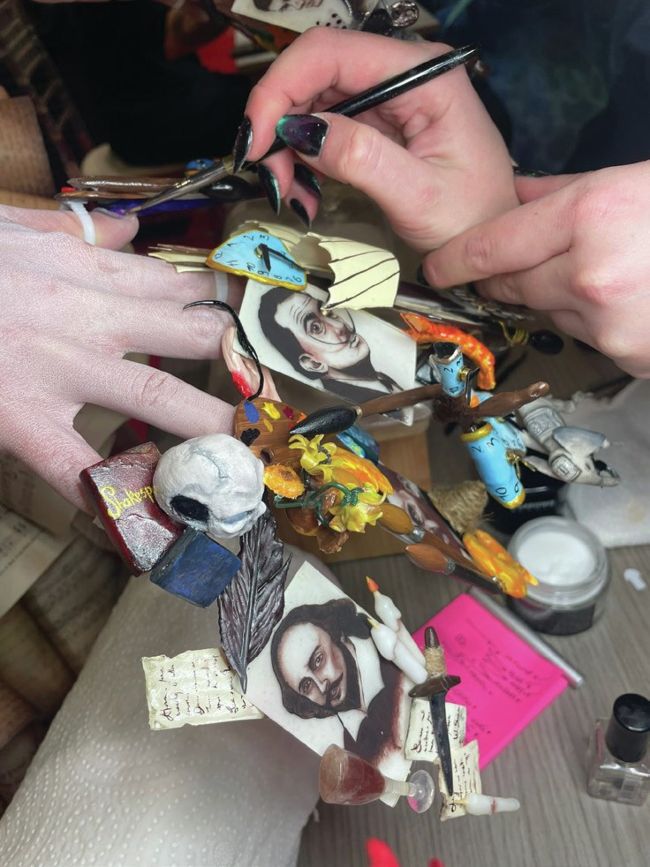
This fantasy nail design by Alice Nali celebrates creatives including William Shakespeare and Vincent van Gogh.

Alice Nali
Alice Nali,
Scratch Stars Mixed Media Artist of the Year
2025 & 2026, shares a step-by-step guide to creating fantasy and extreme work: 1. “Plan the design in detail: research the theme and consider all elements.” 2. “Sketch initial ideas on paper to map out their placement and ensure the design flows across all nails.” 3. “Create a final drawing which details colours, proportions and any 3D components.” 4. “Break the project down into a realistic timeline, scheduling work across days or weeks depending on the deadline.” 5. “Prioritise the creation of 3D elements, then build the nail design around them.”
2 Structural success
A stable structure is the backbone of an extreme or fantasy nail design. As enhancements become longer and more complex, their structural integrity must account not only for any embellishments, but the health of the natural nail.
“The fundamental principles of structure for extreme and fantasy nails are the same as for standard enhancements – you’re simply working on a bigger scale,” says Jessica Vero. “Balance, strength, apex placement and proper weight distribution are just as important, if not more so.”
Education platform, NailKnowledge, shares: “For extreme nail shapes, the apex must be further back towards the base of the nail. This acts as an anchor that will withstand the pressures placed on the long free edge.”
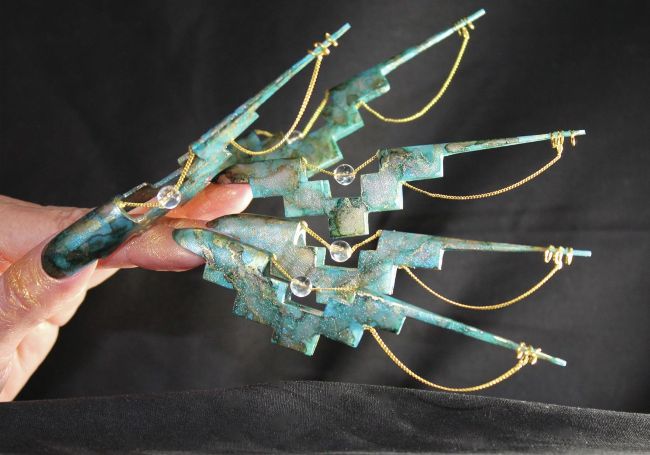
This design by Jacqueline McClement is as architectural as it is artistic. The apex is placed close to the base of the nail to support the structure.

Jacqueline McClement
“The longer a nail structure is, the more attention has to be placed on keeping it straight,” explains North America’s Star Nail Artist – Season 2 Top Five competitor, Jacqueline McClement. “I often use a steel needle to guide my extreme nail creations, which helps keep their foundations straight.”
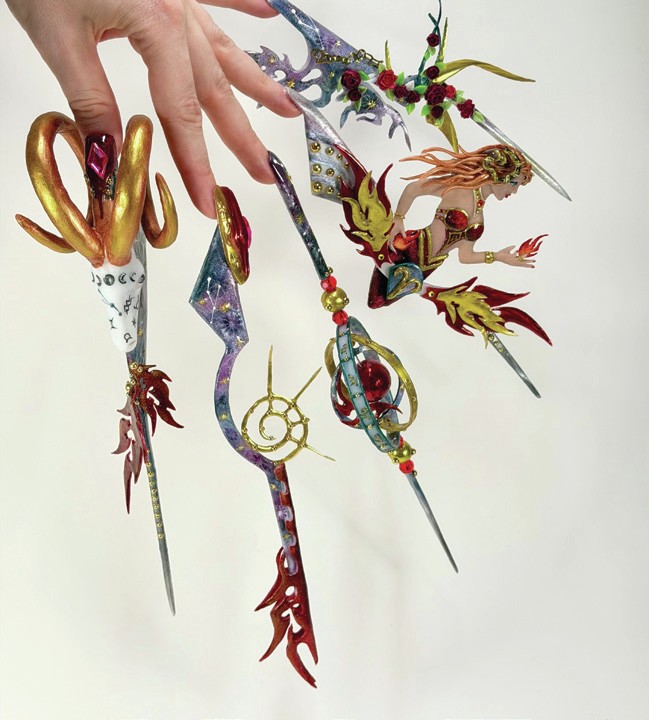
Yuliia Kovalchuk’s submission for NASNA – Season 2, Challenge 6, where she depicted her star sign, Aries, for the theme: ‘Art & Astrology’.
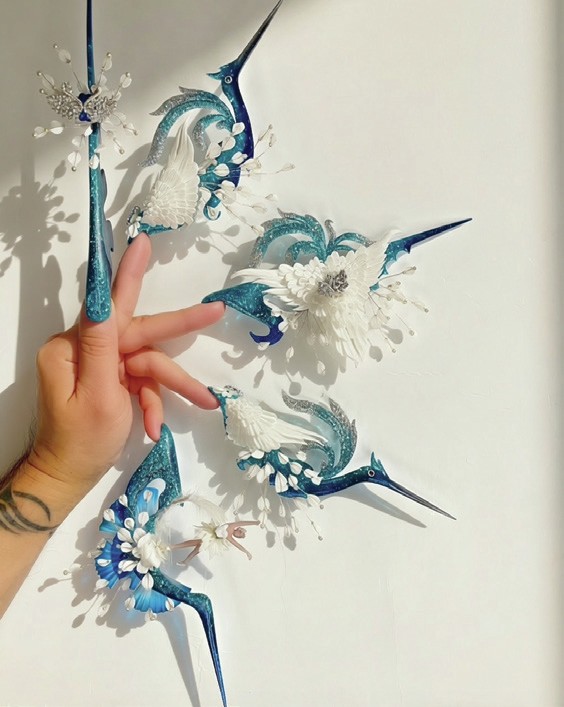
Loi van Nguyen’s Swan Lake design earned him a gold medal in the
Art on Nails
category (Division 3) at
Nailympia London
2023.

Yuliia Kovalchuk
NASNA – Season 2 second runner-up, Yuliia Kovalchuk, reveals that one of the most common extreme nail mistakes is making the area where the enhancement connects to the natural nail too thin. “If this part can’t support the weight of the design, it can start to crack,”she details. To prevent this, Yuliia recommends making the attachment area slightly wider than the natural nail, and strengthening it with a tough product.
Another important consideration is any decorative elements. Yuliia urges pros to opt for lightweight materials where possible. “I once used large glass beads for an
editorial photoshoot, and the nails became too heavy for the model to wear comfortably,” she recalls. “Since then, I always use light embellishments if possible.”

Loi van Nguyen
Fantasy nail art specialist & multi award-winning Nailympia medallist, Loi van Nguyen, adds: “Composition and proportions are the most important elements of fantasy work. Weight and structure must be checked and adjusted on a real hand, to ensure enhancements are comfortable for a model.”
‘‘
The most aesthetically pleasing nails place larger structures and embellishments at the base, keeping the design lighter at the tip.
Jacqueline McClement
‘‘
3 Finding purpose
What is it about extreme and fantasy nails that captivates artists? What inspires them to push the boundaries of creativity, technique and imagination with every design?
“I first decided to try fantasy nails because I wanted to challenge myself creatively and explore techniques that simply wouldn’t be possible in a salon setting,” shares Alice Nali. “Over the years, the style has pushed me to improve my artistic skills, think more creatively and experiment in ways I never would have otherwise.”
“It’s creativity without limits; it’s the freedom to bring ideas to life without boundaries and turn imagination into reality,” says Yuliia Kovalchuk. “Every extreme project challenges me to think beyond the obvious, experiment with new techniques, materials and structures, and grow as an artist.”
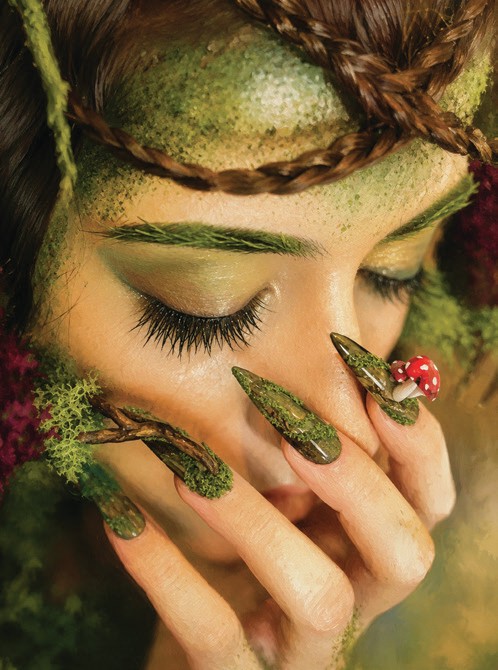
Nature is a constant source of inspiration for Cathy Torres, who translates its beauty into intricate nail designs.
“I have an extreme imagination, so to be able to create freely is very refreshing,” explains Jacqueline McClement. She adds that she has been inspired by award-winning nail artists such as Elena Maltseva, Robert Klonowski, Kirsty Meakin and Mino Vo.
Jessica Vero reveals that she finds inspiration through travel. “Some of my greatest ideas have come from trips to Italy. Being surrounded by world-renowned architecture and fine art has reinforced the importance of storytelling, scale and attention to detail,” she says.
Cathy Torres is similarly inspired by the world around her. “I am heavily influenced by the fashion industry and nature. A photograph, natural texture or animal can spark the idea for a design,” she shares.
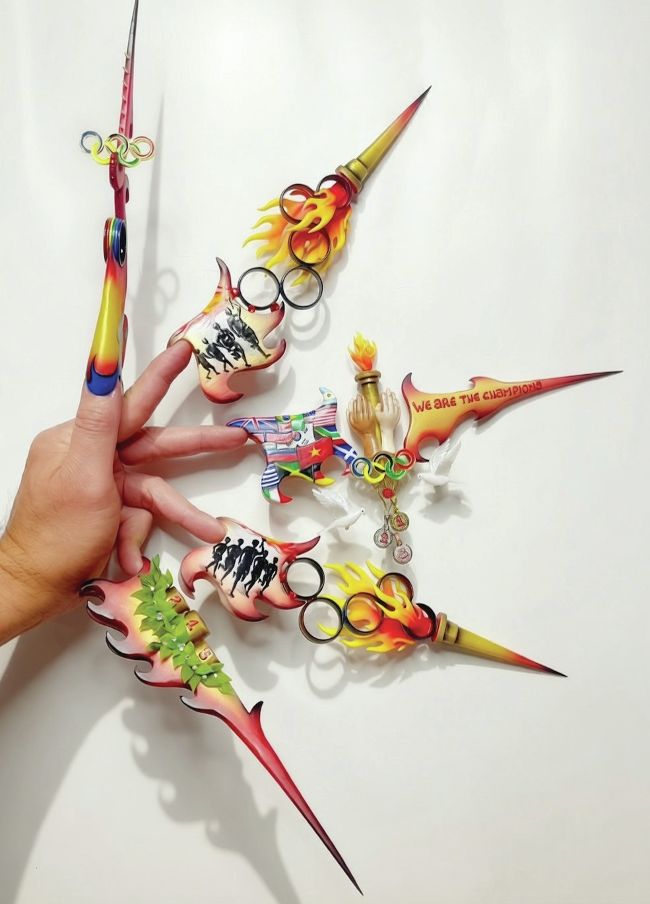
A bold, fiery colour palette ensures cohesion in Loi van Nguyen’s gold medal-winning entry for the
Art on Nails
category (Division 3) at
Nailympia London
2024.
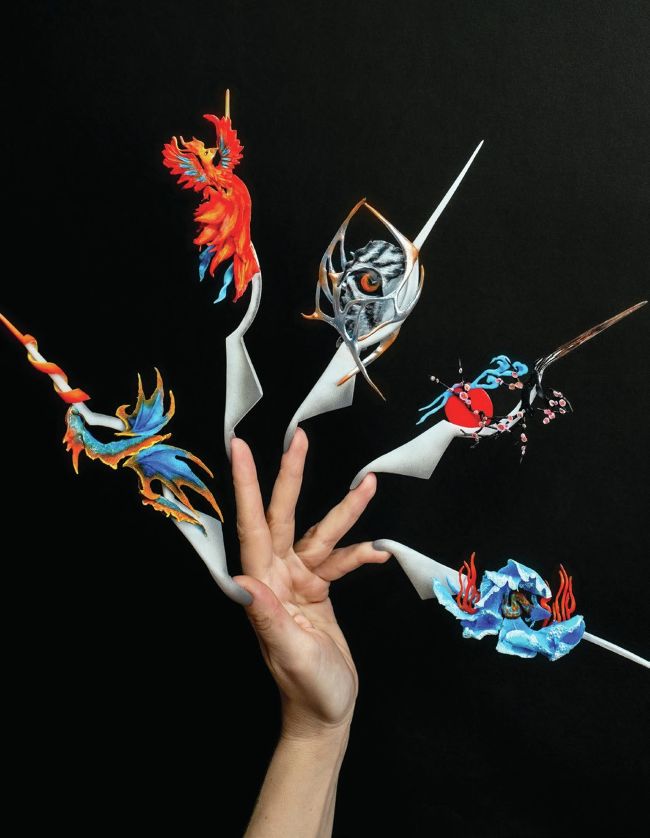
A uniform base shape creates harmony in this striking nail design by Yuliia Kovalchuk.
4 Cohesive creations
Extreme and fantasy competition nails are often judged on their cohesiveness: defined by Cambridge Dictionary as being ‘united and working together effectively’. This means that a nail design must do more than look beautiful – it should communicate a clear, unified concept, with every detail contributing to the overall narrative and impact.
“Cohesiveness means that every nail feels like it belongs to the same story. What ties them together is the repetition of key elements: colour, texture, shapes, symbolism or movement,” explains Jessica Vero. “When someone looks at a finished set, their eye should naturally travel from one nail to the next.”
Yuliia Kovalchuk agrees, adding that her creative process prioritises unity. “I typically limit myself to using two or three main colours to avoid visual overload,” she says.
“I often work on multiple nails at the same time, especially during the painting stage,” Jacqueline McClement reveals. “I choose a core colour palette and make sure that each nail features those colours in some way. I also keep the base shape consistent across a design, which creates cohesion.”
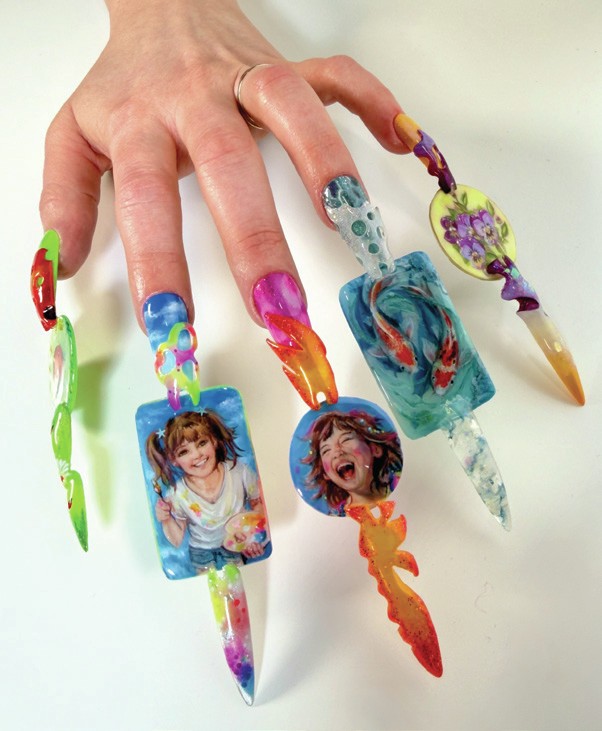
Jacqueline McClement’s submission for the NASNA − Season 2 ‘Colour in Motion’ challenge, which ran in March, brought personality to a broad theme. “March makes me feel like a child again,” she explained, using portraits to reflect her response to the changing seasons.
5 Originality
In an industry full of creative minds, it can often feel as though every idea has already been done. Developing truly original concepts can be challenging, so how can nail artists stand out? The answer lies in interpretation, perspective and the ability to transform familiar ideas into something personal and new.
“I challenge the idea that creating original work is impossible, as any theme will be seen completely differently by two artists,” says Yuliia Kovalchuk. “Originality comes not from trying to invent something that has never existed before, but from filtering an idea through your own perspective, experiences and creative vision.”
Jessica Vero notes that tying every theme back to something personal adds individuality. “When you bring your story and personality into your work, it naturally becomes unique and stands out, as no one else has your exact experiences,” she notes.
Cathy Torres reveals that she uses existing references as a starting point only. “I make sure to reinterpret them through my own lens,” she explains. “I ask myself what emotional or visual twist I can bring – whether it’s a new scale, different colour palette or unexpected shape.”
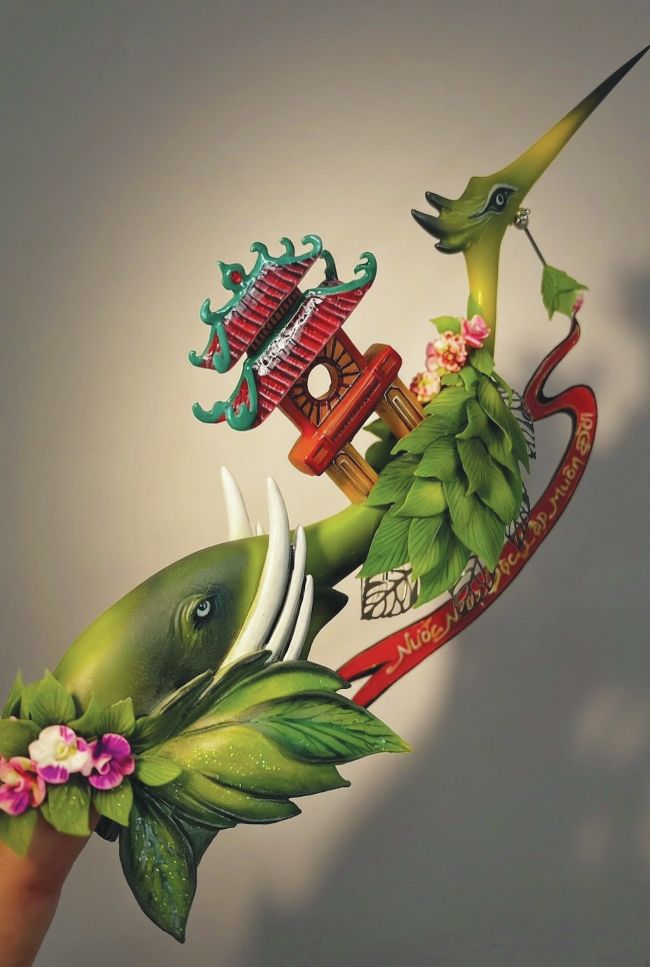
Loi van Nguyen studied architecture in Vietnam before moving to England. This background is clearly reflected in his nail art, giving it a distinctive and recognisable style.
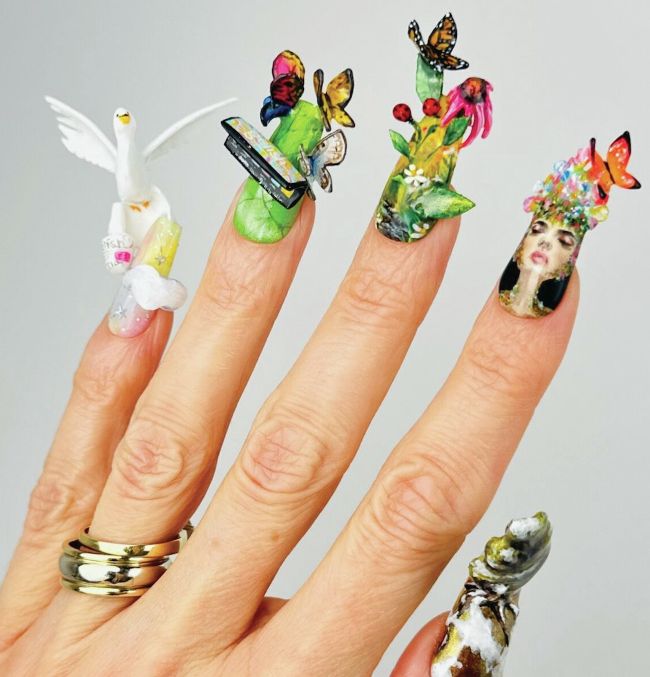
Cathy Torres took a unique approach to NASNA − Season 2, Challenge 5. Her interpretation of the theme, ‘Colour in Motion’, saw each nail reflect a stage of her competition journey, using colour to express personal growth.
6 Developing a theme
“The theme of an extreme or fantasy nail piece is usually the first element to be established at the beginning of a project, as it guides the entire composition,” says Jacqueline McClement. “Every detail then becomes part of the story being told.”
Yuliia Kovalchuk agrees: “My creative process starts with establishing the story, rather than the nails themselves. I collect references, explore colours, textures and shapes, and think about the overall mood and message I want to convey. Once the concept feels complete, I sketch the composition – and only then will I move on to the practical work.”
“Once you choose a theme, make sure that every element supports it,” Alice Nali advises. “The goal is for a finished piece to communicate its concept so clearly that it can be understood at a glance, without the need for explanation.”
Here are three ways to approach a theme creatively:
1. Break it down. Identify the keywords within a theme and explore the emotions and symbols they evoke. Use these smaller components as the foundation for your concept.
2. Research. Develop a deeper understanding of a topic by exploring its cultural and historical associations.
3. Add personality. Whether through colour choices, textures or personal references, infuse the theme with your signature style.
Jessica Vero’s entry for NASNA − Season 2, Challenge 3 showcased a fresh take on the theme: ‘My memorable melody’. “The inspiration behind this design is not a single song, but a living soundscape,” she said, noting that the everyday sounds of the salon influenced the piece.
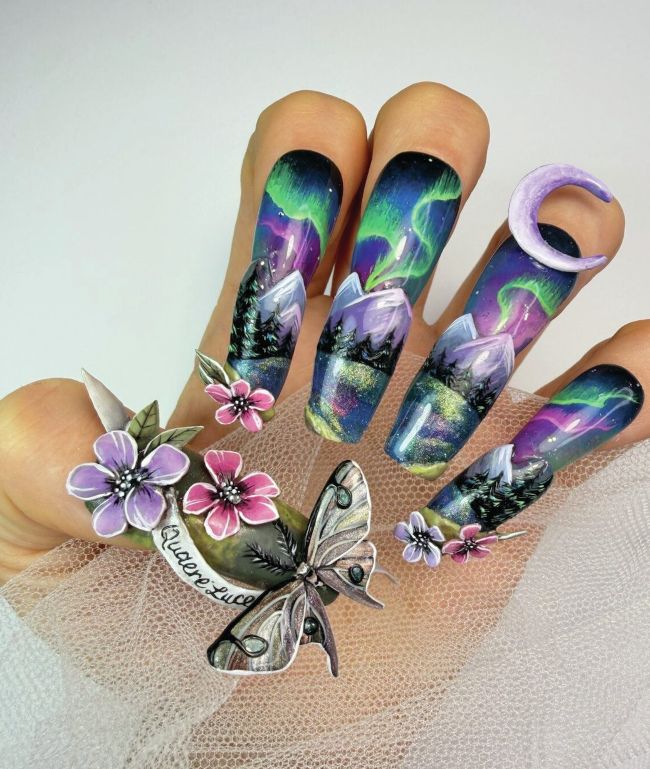
Jessica Vero’s submission for NASNA − Season 2, Challenge 5 used complementary colours inspired by the Aurora Borealis.
7 Colour craft
Every nail masterpiece is underpinned by a strong understanding of colour theory: knowing which shades work harmoniously, how to create contrast and impact, and the ways in which colour, light and shadow can evoke mood and emotion.
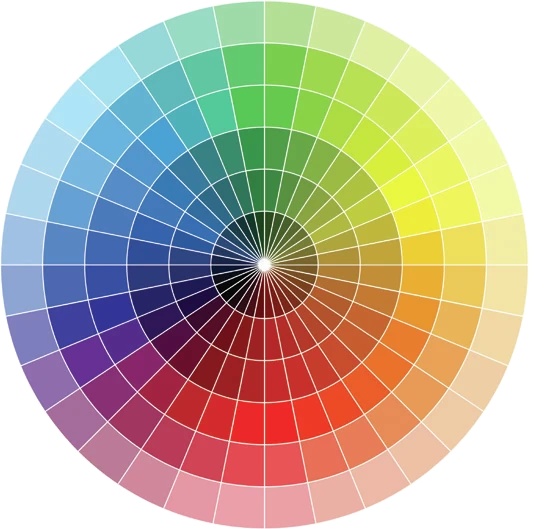
The colour wheel organises colours based on their relationships to one another.
Colour theory is the art and science of how colours relate to one another and influence visual impact. It explores how colours interact, helping artists create balanced, expressive and visually effective designs.
“Fantasy designs often contain a lot of elements, textures and details, and colour plays a huge role in ensuring these remain visible and impactful,” says Jessica Vero. “Without a strong understanding of colour theory, a nail style can quickly become visually overwhelming or unclear.”
Jacqueline McClement adds: “Colours convey mood, so which you use depends on the emotion of your art. If there is a sombre theme I would use muted hues, whereas an energetic, joyful feeling calls for bright shades.”
“Very often, colour is what brings different elements of a design together in one cohesive story,” reveals Yuliia Kovalchuk. “Sometimes the most difficult decision is not whether to add another colour, but when to stop. Colour theory is not a set of rules – it is a tool that helps create mood, balance and cohesion.”
“Rich jewel tones paired with metallics, or bold contrasts like black and gold work well; they tend to evoke a sense of luxury and drama,” says Cathy Torres. Jacqueline McClement notes that she uses contrasting colours to make nail looks pop. “Royal blue and orange, purple and gold, and teal and coral are some of my favourite combinations,” she shares.
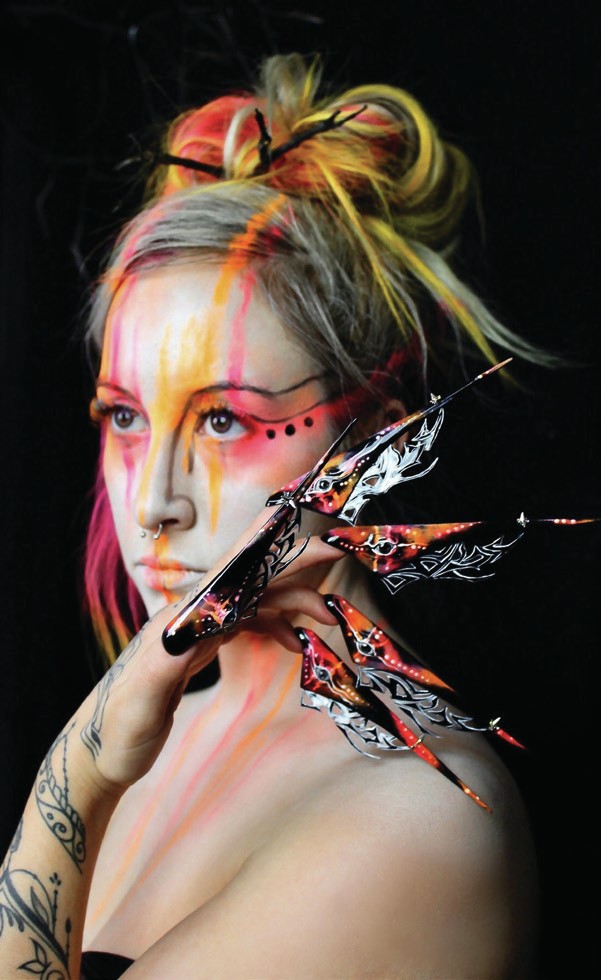
A shallow depth of field keeps this nail design by Jacqueline McClement in sharp focus, while softly blurring the model’s face. A black background enhances the vibrancy of the nail style.
8 Through the lens
While extreme and fantasy nail designs are striking in person, translating that same impact into a two-dimensional photograph can be challenging. As Jessica Vero states: “You can spend hundreds of hours perfecting a piece, but if it’s not photographed well, many of the details and storytelling elements can be lost.”
“Poor presentation can take away from the hard work that went into creating a nail design,” adds Yuliia Kovalchuk. “Photography has become an essential part of our industry, and it is a skill that every nail artist needs to continually develop.”
Cathy Torres says: “I think carefully about lighting when photographing looks, often opting for dramatic, directional light to make colours pop. I also consider the model’s pose and background, so the nails are always the focal point.”
Alice Nali agrees that nails should remain the focus of an image. “I usually choose simple backgrounds that won’t distract from the design, ensuring that these support the theme without competing for attention,” she shares. “Consideration must be
given to the model’s pose and facial expression, as well as the placement of the nails so that each element can be seen properly.”
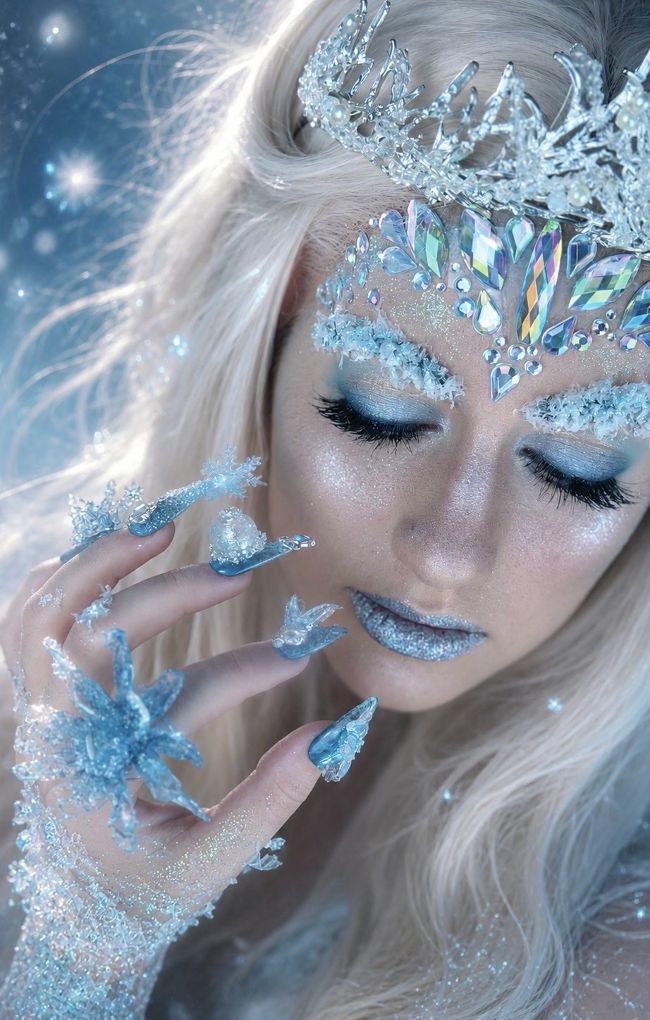
The diagonal composition of this image
naturally draws the eye toward Cathy Torres’ nail design, while the complementary background reinforces the theme.
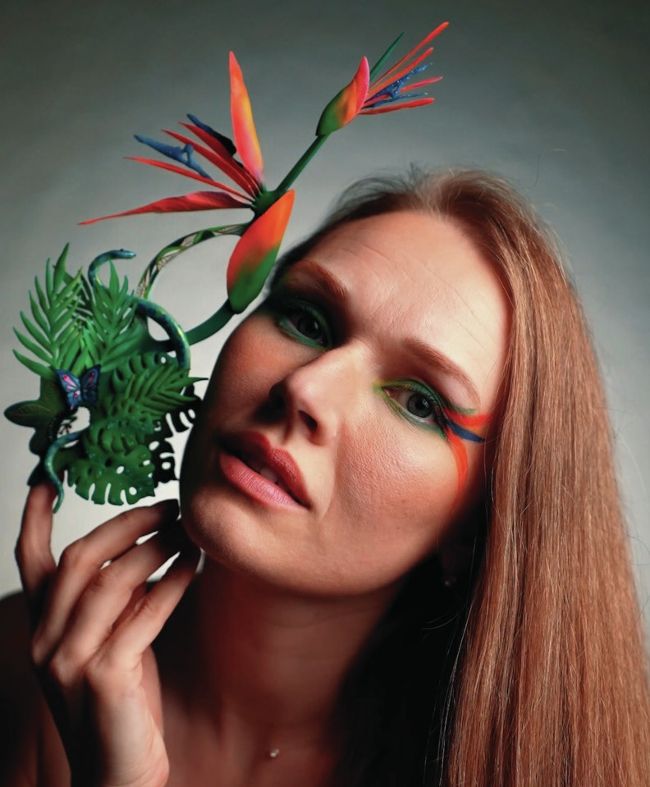
Yuliia Kovalchuk’s make-up mirrors the colours, details and artistic direction of her nail design.
9 Fantastical finish
When it comes to fantasy nail art, the look often does not end at the fingertips. In many competitions and photoshoots, a model’s outfit, make-up and hair are carefully considered to complement and enhance the nail design. Nailympia’s Fantasy Complete Look category incorporates this element into its judging criteria. One of the descriptors states: “The theme runs throughout the complete look, focusing on the hair, costume, make-up and accessories.”
“I see the hair, make-up, costume and nails as parts of the same story,” Yuliia Kovalchuk explains. “Each element should support the concept, rather than compete for the viewer’s attention. My goal is always to find the right balance, so that the nails enhance the overall look.”
Loi van Nguyen advises: “If you can, do everything yourself, including the hair and make-up. This helps ensure that every element works together to create a cohesive look.”
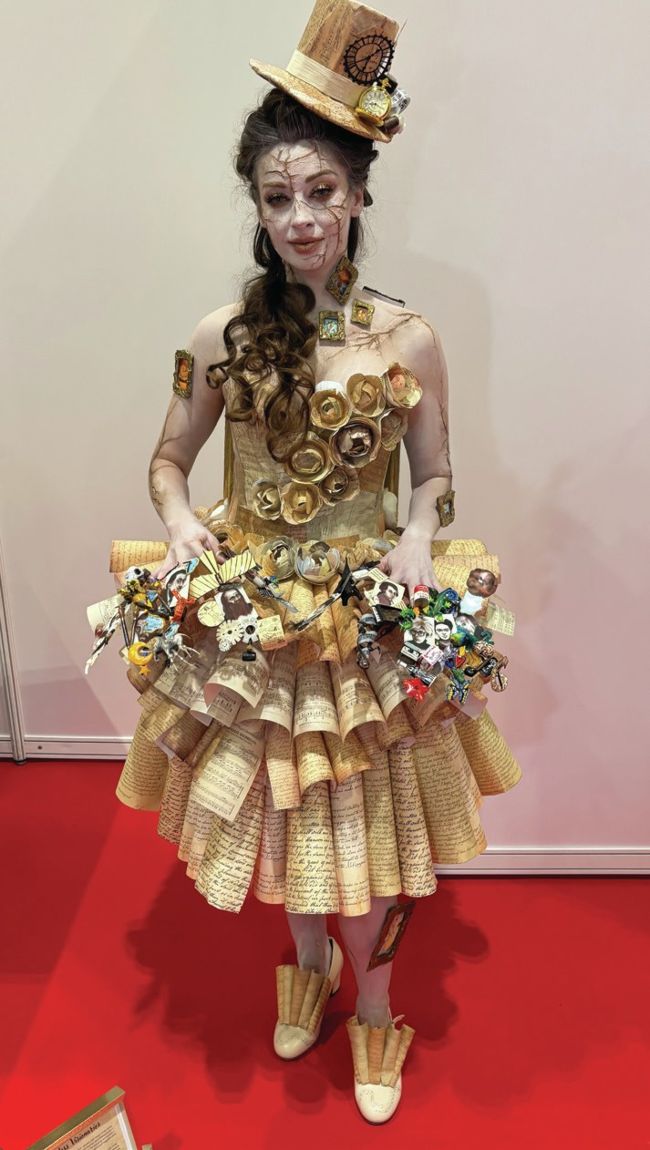
At
Nailympia London
2025, Alice Nali’s gold medal-winning entry for the
Fantasy Complete Look
category (Division 3) showcased a head-to-toe continuation of her nail design.
10 Product picks
The success of extreme and fantasy nail styles relies heavily on the products used to create them. These intricate, highly detailed designs demand advanced formulations that offer a combination of strength, durability and versatility, allowing nail artists creative freedom and enabling long-lasting results.
“High-quality gel paints with strong pigments are staples in my kit,” says Jacqueline McClement. “Too many layers of product will make a nail appear bulky and lose its shape, so good pigmentation is key.
“Solid nail forms are also crucial,” Jacqueline continues. “If a form is flimsy, it will likely twist, meaning the nail will not hold the proper shape.”
“My must-have products are white acrygel and acrylic powder,” reveals Alice Nali. “Acrygel is perfect for creating the framework of larger elements, because it allows time to shape and refine before curing.” Alice explains that she prefers working with white products because ‘they create a clean, neutral base that’s easy to customise’.
Loi van Nguyen champions the L&P acrylic system for fantasy and extreme nail work. “Acrylic powders in a range of colours are essential; they help me create complex geometric shapes,” he tells Scratch.
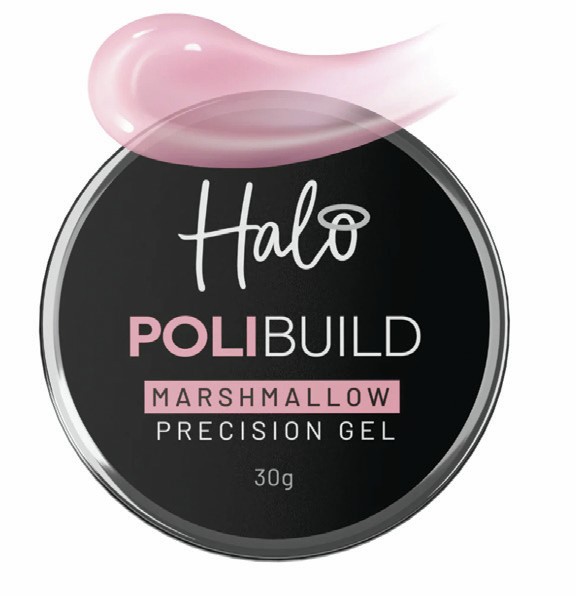
Halo Polibuild in Marshmallow £8.99 + VAT
www.purenails.co.uk
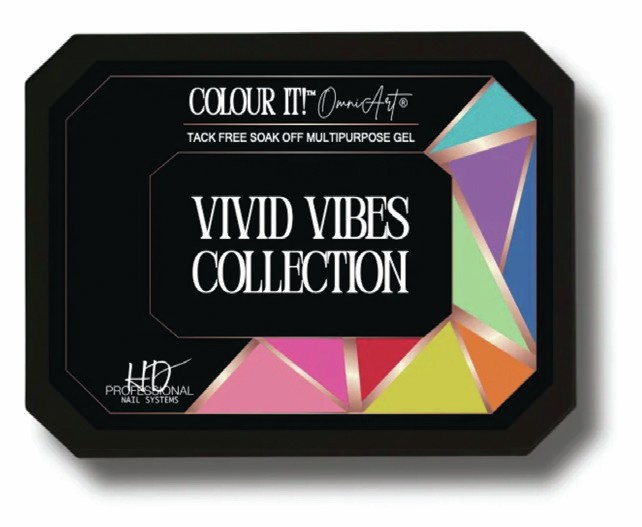
HD Professional Nail Systems Colour It! Omniart
® Palette in Vivid Vibes £14.99 + VAT
www.hazeldixonnails.com
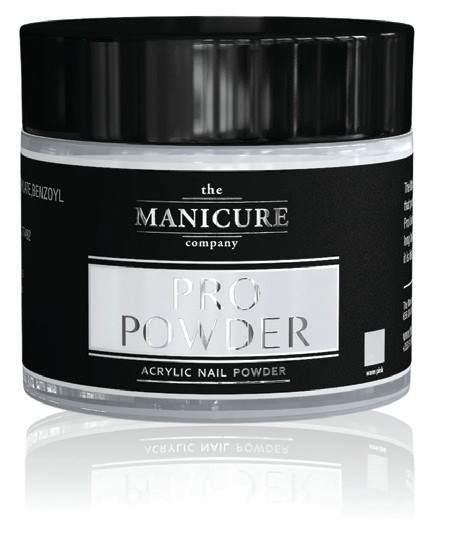
The Manicure Company Pro Powder in Bright White from £14.85 + VAT
www.themanicurecompany.com
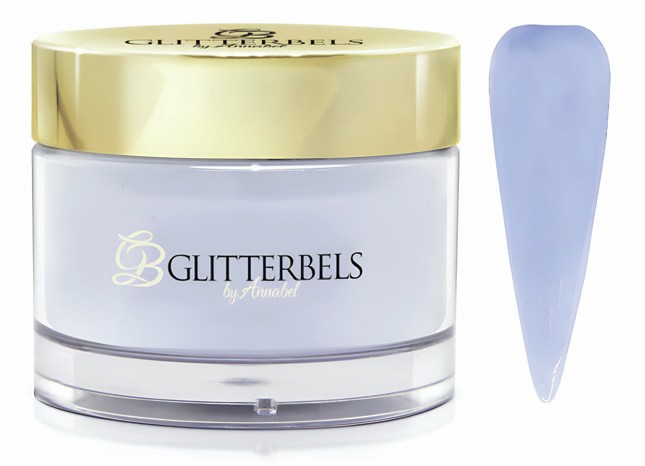
Glitterbels Acrylic Powder in Azure Sky £7.99 inc VAT
www.glitterbels.com
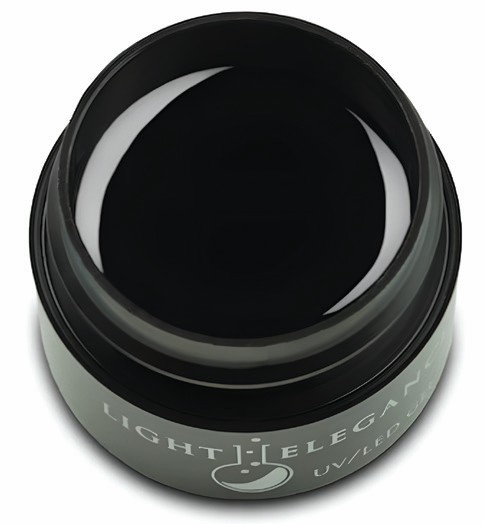
Light Elegance Gel Paint in Primary Black £13.95 + VAT
www.lightelegance.co.uk
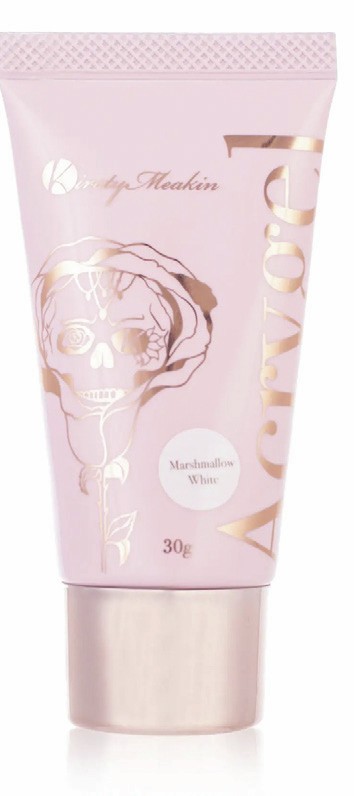
Kirsty Meakin Acrygel in Marshmallow White £14.99 inc VAT
www.kirstymeakin.com
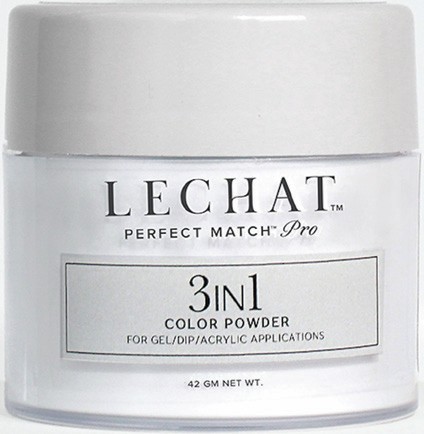
LeChat Perfect Match 3in1 Powder in Pristine White £POA
www.lechatnails.com
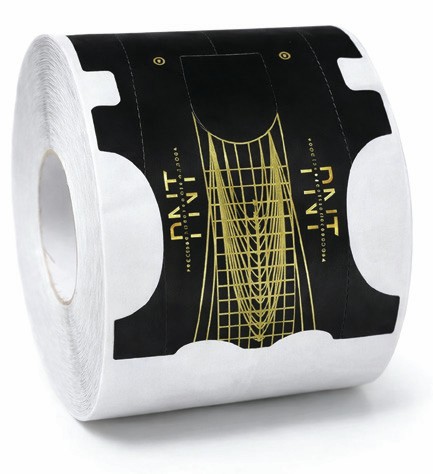
Precision Nail Technology Professional Nail Sculpture Forms £16.99 inc VAT
www.precisionnailtechnology.co.uk
Adhesion options
“Gem glue is usually suitable for adhering small or light embellishments,” says Alice Nali. “For larger or heavier pieces, I prefer using clear L&P acrylic to provide a much stronger hold.”
Jessica Vero takes a similar approach, sharing: “I often reinforce heavy designs with L&P acrylic to add strength and stability. Fantasy pieces go through a lot of handling during photography, transport and competition judging, so it’s crucial to ensure that every element is securely attached.”
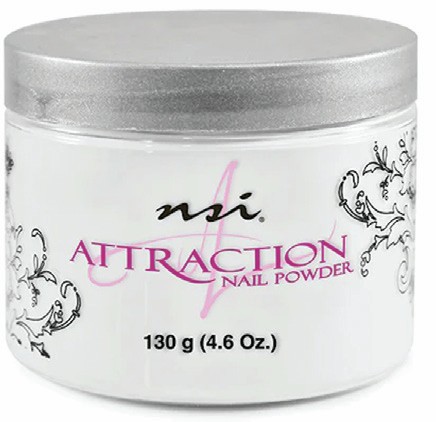
NSI Attraction Acrylic Powder in Totally Clear from £11.95 + VAT
www.nsinails.co.uk
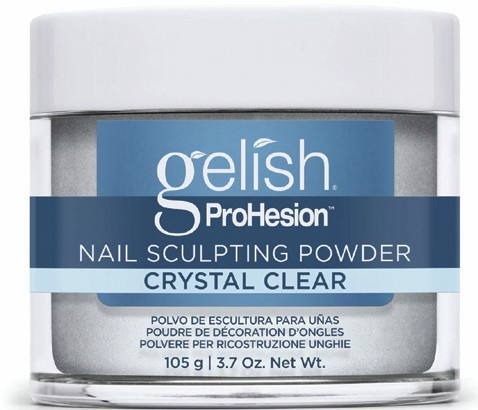
Gelish ProHesion Nail Sculpting Powder in Crystal Clear from £9.50 + VAT
www.gelishmorgantaylor.co.uk
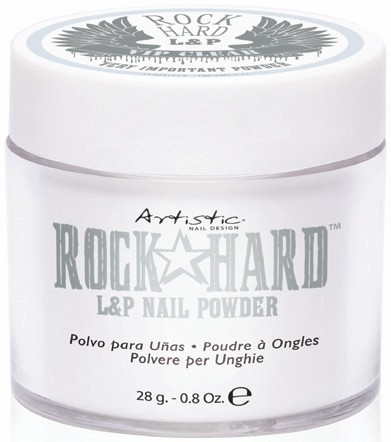
Artistic Nail Design Rock Hard L&P Nail Powder in Clear from £5.95 + VAT
www.sweetsquared.com
Sealing solutions
The right top coat hugely impacts the longevity of extreme and fantasy designs. “I always use either a matte or glossy top coat to finish my pieces, depending on the look I’m aiming for,” says Alice Nali. “If I know a piece will be handled a lot, I’ll also use a clear fixative spray to give it extra protection.”
Yuliia Kovalchuk notes that many of her designs are reused for exhibitions, photoshoots and educational projects, so durability is very important. “I store finished designs in plastic storage boxes to protect them from damage,” she shares.
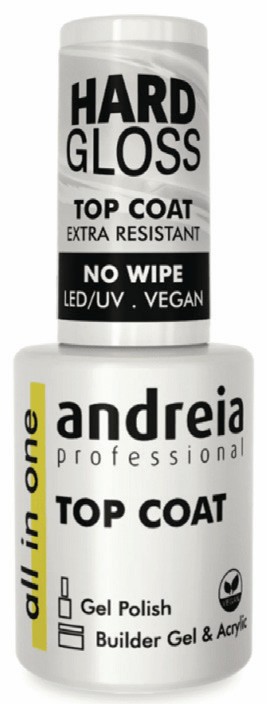
Andreia Professional Hard Gloss Top Coat £6.99 + VAT
www.salon-services.comwww.andreiaprofessional.com
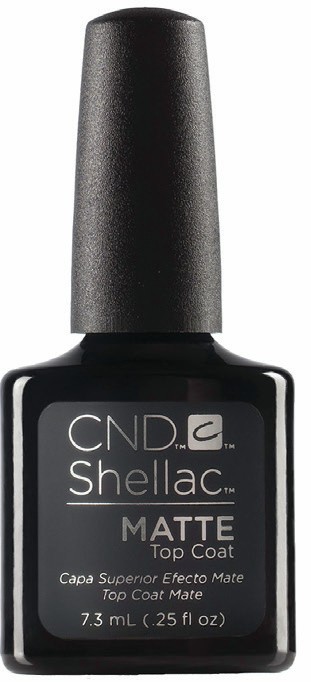
CND Shellac
™ Matte Top Coat £14.95 + VAT
www.sweetsquared.com
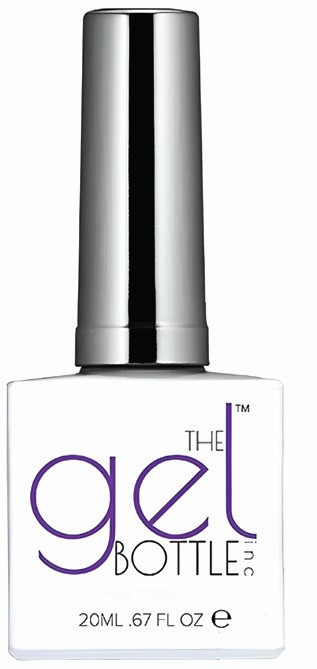
The GelBottle Inc Satin Top Coat £17.95 + VAT
www.thegelbottle.com
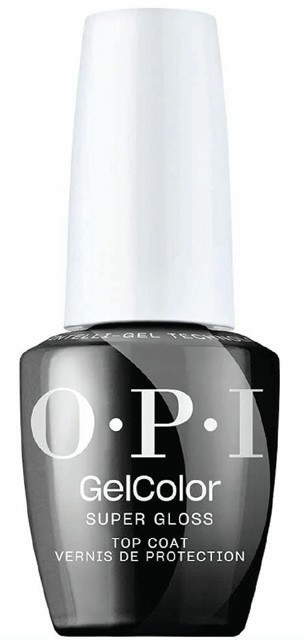
OPI GelColor Super Gloss Top Coat £19.90 + VAT
uk.wella.professionalstore.com
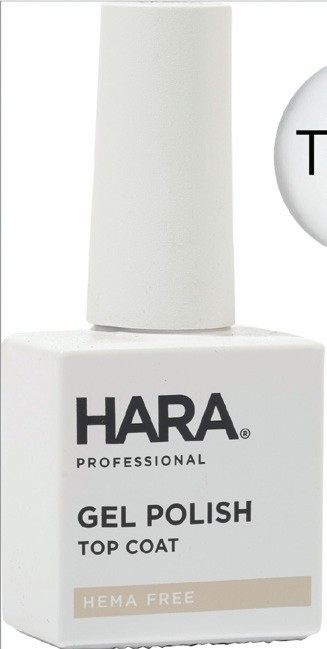
Hara Professional Gel Polish Thick Top Coat £7.75 + VAT
www.astonandfincher.co.uk