SCRATCHCOLUMNIST
FOOT notes
Award-winning pedicurist & advanced footcare practitioner, DENISE SPRAGG, shares insights to elevate your treatments
Callus removal: professional tools & dermatologically safe methods
ABOUT DENISE SPRAGG
Denise set up a tai chi and yoga retreats company with her husband in 2005, which sparked an interest in holistic and beauty treatments. She has practiced manicure and pedicure services since 2011, is trained in advanced pedicure techniques and is an accredited Footlogix practitioner.
Alongside her husband, Denise runs health and wellbeing centre, The Sangha House, in Taunton, Somerset. She offers lacquer and gel pedicure treatments, as well as footcare services for clients with diabetes. In 2023, Denise won the SOS Beauty Award for Footcare Practitioner of the Year, and she is the founder of the Elevate Pedicures website. /denisespragg1971
In the world of professional nailcare, particularly pedicure services, understanding and addressing calluses safely is essential. While some clients view calluses as purely cosmetic, nail technicians know that with the right tools and techniques, callus care enhances comfort, promotes foot health and boosts client satisfaction.
Before diving into tools and methods, it’s worth defining calluses, corns and hard skin – terms that clients often use interchangeably, but have key differences.
Calluses, corns & hard skin: key differences
Calluses are areas of thickened, yellowish skin that develop from repeated friction or pressure, often on the heels, balls of the feet or under the toes. They’re generally not painful, but if allowed to build up, they can crack or cause discomfort.
Corns are smaller and more defined than calluses. They often form on or between the toes due to pressure from shoes, and can have a hard centre that presses into the skin, making them tender or painful. Persistent corns should be referred to a foot health specialist.
Hard skin is a broader term for any rough, dry or thickened skin – typically the beginning stage of callus formation. It can be managed through regular exfoliation and moisturising.
Understanding the causes
Helping clients understand why calluses build up can support better long-term results. Causes include:
• Ill-fitting or unsupportive footwear.
• Walking barefoot regularly.
• Standing or walking for long periods.
• Sports or high-impact activity. •Infrequent exfoliation and moisturising.
Recommending cushioned shoes, insoles and a simple at-home care routine helps maintain results between appointments.
As nail professionals, our goal is to manage calluses safely and hygienically.
Tools for professional callus removal
As nail professionals, our goal is to manage calluses safely and hygienically: reducing thickness, smoothing skin and avoiding over-thinning and irritation. Here are some of the most effective and dermatologically safe methods:
1. Manual foot files
A staple in pedicure services, manual files gently reduce hard skin without overworking the area. I recommend files with replaceable abrasive surfaces for optimum hygiene. Avoid vigorous rubbing that could lead to micro-tears or irritation.
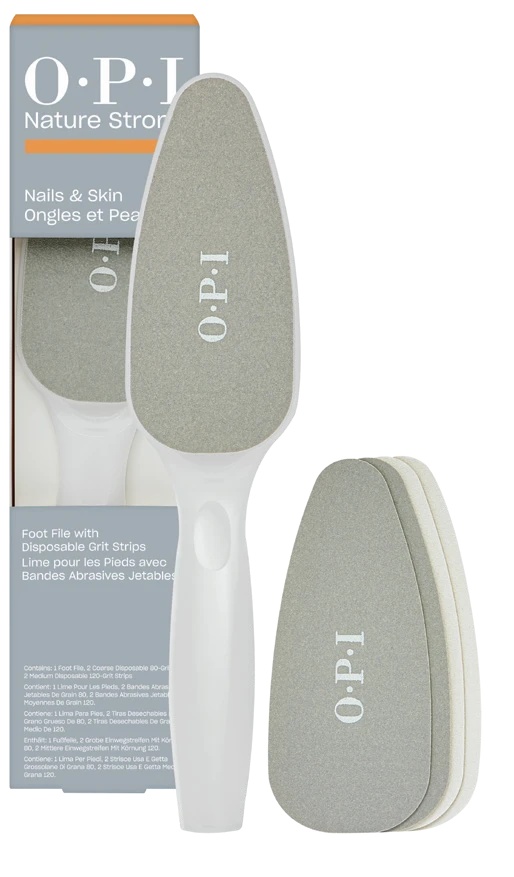
OPI Dual Sided Foot File with Disposable Grit Strips £13.60 + VAT
uk.wella.professionalstore.com
2. Electric pedicure files (E-files)
Dry pedicures using E-files are growing in popularity. When used with the correct pedicure bits (diamond, ceramic or sanding bands), they offer excellent precision and efficiency. Training is essential, and speeds should remain low to avoid heat and abrasion. Clean and disinfect bits after every use.
3. Callus softening gels
Chemical softeners – usually containing urea, sodium hydroxide or lactic acid – work by breaking down keratin in the skin. Apply only to callused areas, leave for the recommended time and rinse or wipe thoroughly before exfoliating. Urea-based products are especially effective and gentle.
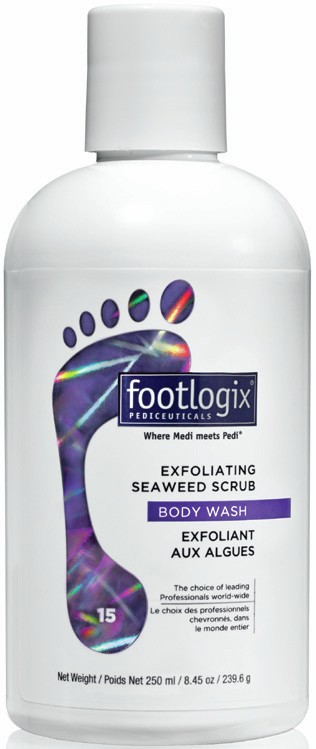
Footlogix Exfoliating Seaweed Scrub £15.95 + VAT
www.sweetsquared.com
4. Exfoliating scrubs & enzyme peels
To finish, use an exfoliating scrub or fruit acid peel to help smooth skin and enhance hydration. Choose gentle, non-abrasive scrubs suitable for freshly treated feet. Avoid anything too harsh that could compromise the skin’s protective barrier.
Clean, sterilise, reassure
No matter how effective your tools are, they must also be clean. A callus file caked in someone else’s dead skin isn’t just unprofessional – it’s unhygienic and potentially harmful.
Top tips:
• Use disposable file pads where possible, or tools with removable abrasive surfaces that can be changed between clients.
• All reusable implements must be thoroughly cleaned and disinfected according to your business’ hygiene protocols and local health regulations.
• After each use: clean tools thoroughly with soap and water to remove debris, then disinfect using a salon-grade solution with proven efficacy against bacteria and fungi.
• For metal tools or E-file bits, consider autoclave sterilisation for the highest level of hygiene.
Taking hygiene seriously protects both your clients and your reputation. Many clients notice (and appreciate) when they see tools being cleaned or replaced in front of them.
Professional callus care is all about balance: removing enough skin to restore comfort and appearance, without stripping its natural defences.
Aftercare & maintenance
Callus removal is most effective when it’s part of a regular routine. Recommend aftercare that includes:
• Daily moisturising with products containing urea or shea butter.
• Weekly gentle exfoliation.
• Avoiding walking barefoot on hard floors.
• Wearing well-fitting, cushioned footwear. Encourage return appointments every four to six weeks for maintenance, especially for clients with recurring hard skin or active lifestyles.
Professional callus care is all about balance: removing enough skin to restore comfort and appearance, without stripping its natural defences. Nail technicians should never use blades or razors, which are not only illegal for cosmetic use in the UK, but can lead to injury or infection.
‘‘