GEL SYSTEM SOS: A troubleshooting guide
Ensure slick, strong & safe gel finishes as experts share common system issues & how to prevent them
REBECCA HITCHON REPORTS
Although soft gel nail products – categorised by their soak-off properties – have soared in popularity of late, the hard gel system – comprising file-off products – continues to be widely embraced. So, I posed a question to pros: ‘
Why does this system remain loved by nail techs and clients?
’. All cited one key reason: versatility.
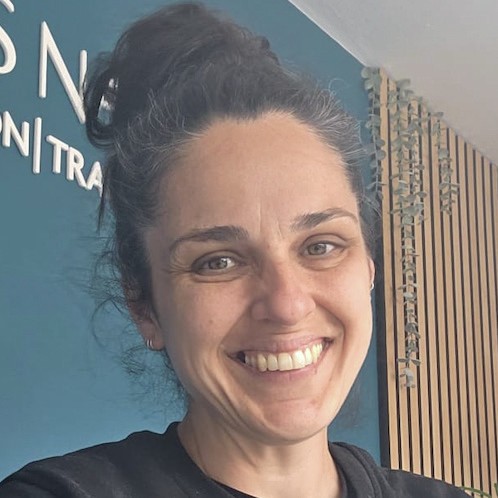
Maya Juranova
“Hard gel offers strong support to the natural nail, is durable and can be used to create styles from overlays to nail extensions using forms and tips,” shares Maya Juranova, Scratch Stars Gel Tech of the Year finalist 2026. “Clients benefit from strong but not bulky nails, while nail technicians aren’t limited to what they can create.”

Clare Hanson
“The product is valuable for clients who are heavy-handed or have weak, brittle nails,” adds Clare Hanson, fellow Scratch Stars Gel Tech of the Year finalist 2026. “I recommend HD Professional Nail Systems’ Build It! Pro Fibre X® hard gel, which is available in a range of cover shades to suit all skin tones. It is also durable and makes sculpting extensions simple.”
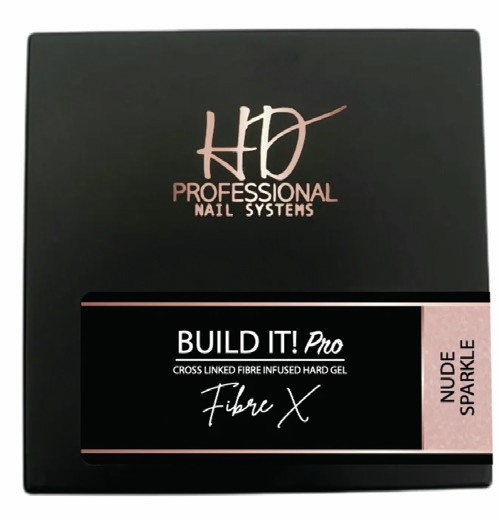
HD Professional Nail Systems Build It! Pro Fibre X
® in Nude Sparkle from £17.99 + VAT
www.hazeldixonnails.com
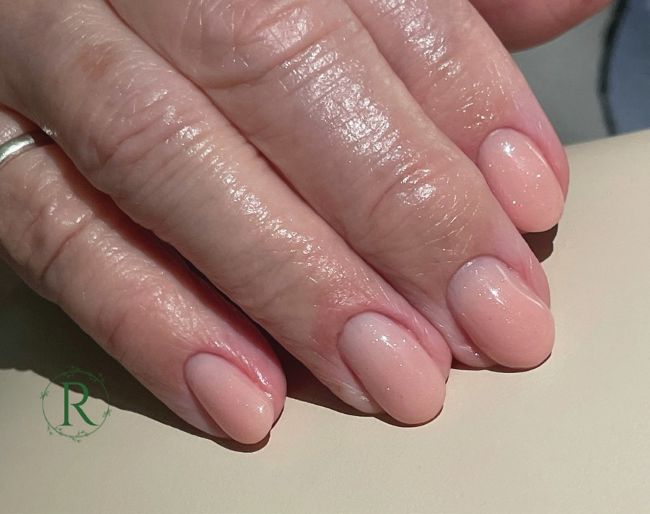
Nails by Clare Hanson using HD Professional Nail Systems’ Build It! Pro Fibre X
®
hard gel.
“My favourite aspects of the gel system are the control and freedom it offers, whether I’m creating a simple salon style or encapsulated French manicure,” reveals Justyna Pryke, Scratch Stars Ultimate Gel Tech. “It allows me to add strength where it’s needed, while creating slim, elegant and lightweight nail looks. There are many different gels available, each with their own purpose – from sculpting and structure gels which build architecture and extend nails, to art gels that are pigmented and ideal for detailed nail art designs.”

Justyna Pryke
However, while there are many benefits of the gel system, there can be issues. We quizzed gel specialists on why they occur and how to prevent them…
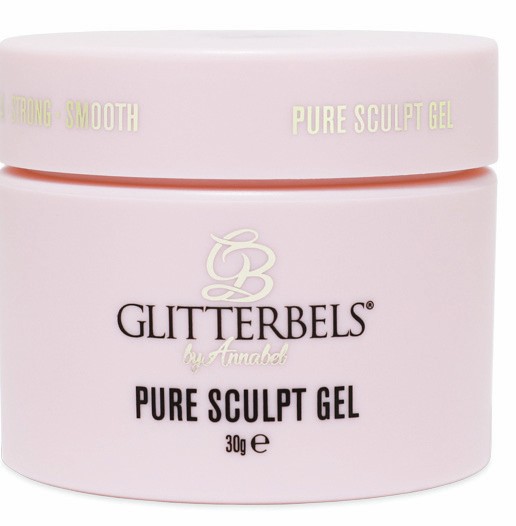
Glitterbels PureSculpt Hema Free Hard Gel in Glass Heart £24.99 inc VAT
www.glitterbels.com
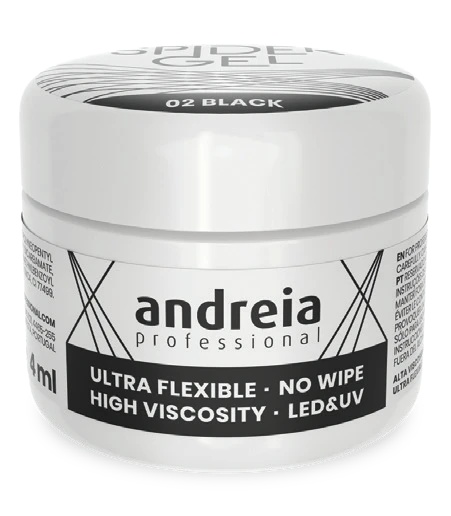
Andreia Professional Spider Gel in 02 Black £6.39 + VAT
www.salon-services.comwww.andreiaprofessional.com
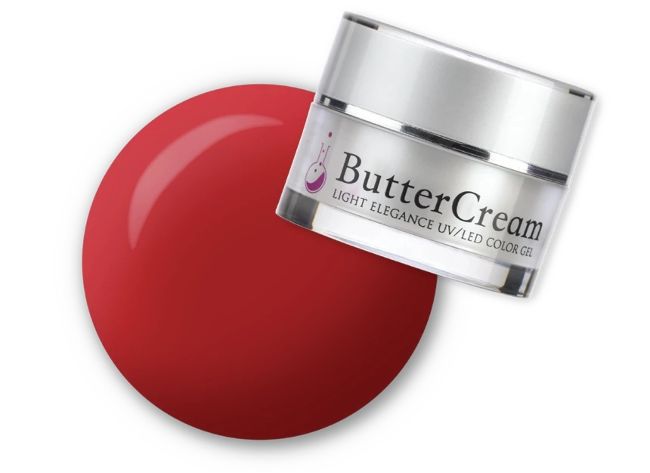
Light Elegance ButterCream UV/LED Color Gel in Sin City £17.95 + VAT
www.lightelegance.co.uk
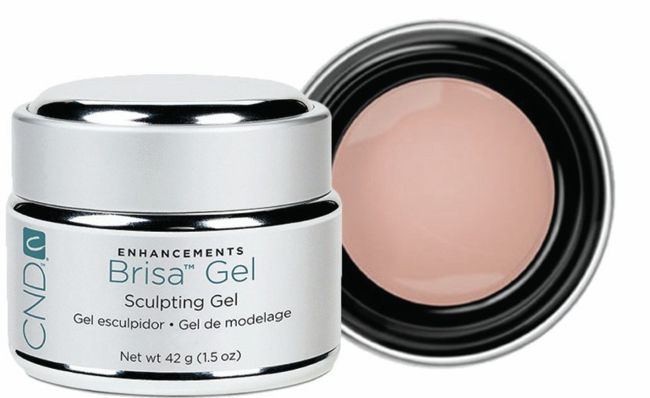
CND Brisa
™ Gel in Warm Beige Opaque from £14.67 + VAT
www.sweetsquared.com
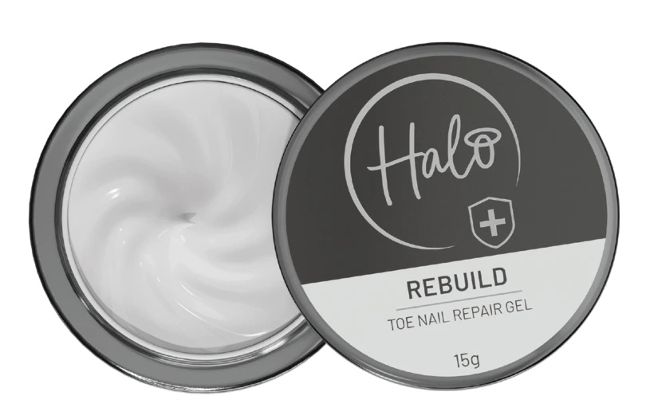
Halo Rebuild Toe Nail Repair Gel £22.95 + VAT
www.purenails.co.uk
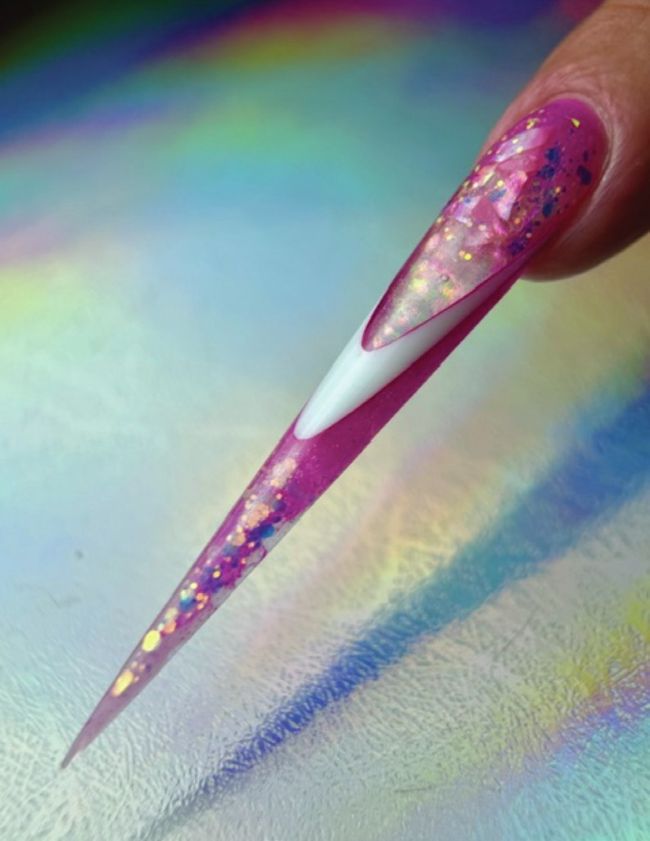
An encapsulated French-style stiletto nail by Justyna Pryke.
TROUBLESHOOTING TIPS
“When an issue presents itself, you shouldn’t just fix it; you should find out why it happened to prevent it in future,” details Justyna Pryke. “You must look at the whole picture: the client’s natural nails and lifestyle, prep, product choice, application and structure. I view nails from every angle, checking the apex, sidewalls, lower arch, free edge and overall balance. Something can look beautiful from above but be structurally wrong.”

en Vogue educator, Casey-Leigh Boucher (@abrushofperfectioncaseyleigh), created this chic overlay using the brand’s Medium Hard Gel, available via www.envoguenails.com
Lifting
One of the most common gel system issues, product lifting can be caused by a range of factors, from poor nail prep to incorrect structure, messy application and unsuitable product choice.
“If lifting occurs, the first thing to do is ascertain where this is happening,” advises Grace Evans, junior marketing executive at HONA. “Lifting around the cuticle or sidewalls may point towards poor prep or product touching the skin, whereas free edge lifting can indicate that application, product selection or nail length need reviewing.

Grace Evans
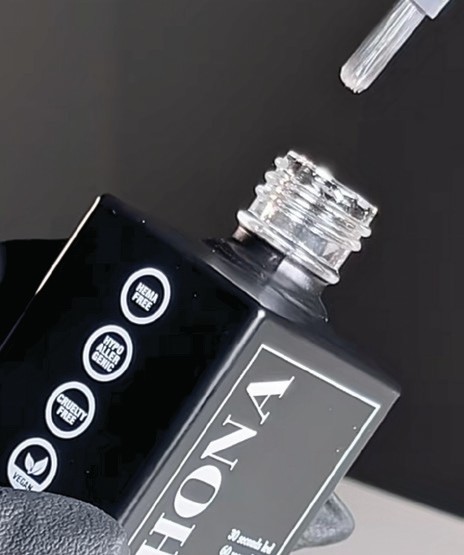
HONA TrueBond £19.80 + VAT
www.homeofnailart.com
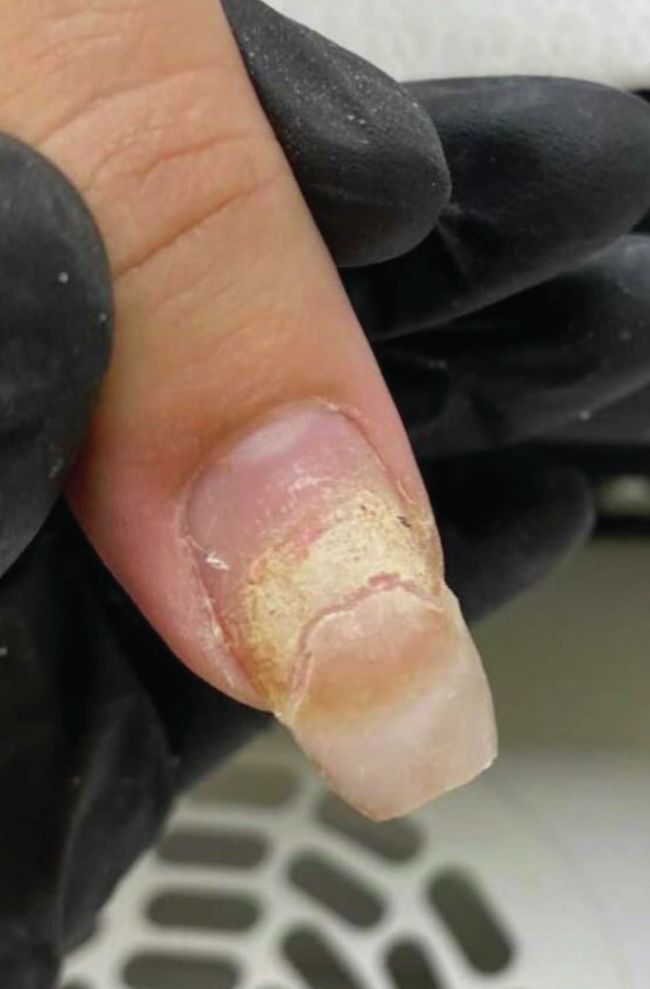
Hard gel educator, Eleonora Sinkeviciene, showcases the reality of gel lifting.
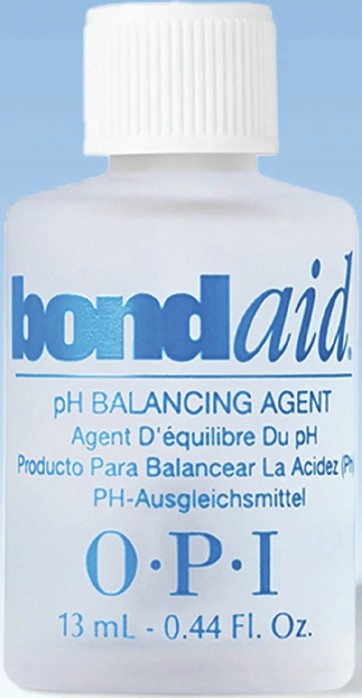
OPI Bond Aid PH Balancing Agent £11.45 + VAT
uk.wella.professionalstore.com
“For clients who require additional adhesion, we developed HEMA-free bonding gel, TrueBond,” Grace continues. “It isn’t designed to compensate for poor prep or incorrect application, but can be concentrated in areas where clients may be repeatedly experiencing lifting. A thin layer should be scrubbed into the natural nail before being cured.”
The Manicure Company 180/240-grit Pro File (5pk) £7.16 inc VAT www.themanicurecompany.com
Catriona Leith
Catriona Leith, Scratch Stars Ultimate Gel Tech, co-head of education for Hazel Dixon Nail Artist Academy & Scratch columnist, shares how to identify if natural nails have been sufficiently prepped. “Any shine on the nail plate prior to gel application may indicate an arena that could cause lifting,” she explains. “Hard gel in particular demands meticulous prep because it is file-off. You must not only push back the proximal nail fold and cuticle, but use a diamond E-file bit or cuticle tool to gently remove non-living tissue from the nail plate. When etching the natural nail, work to remove shine rather than create grooves. You should use a 180/240-grit file, as lower grits will compromise the natural nail. Once you have thoroughly dehydrated the nail plate, inspect it from multiple angles to ensure there is no shine.”
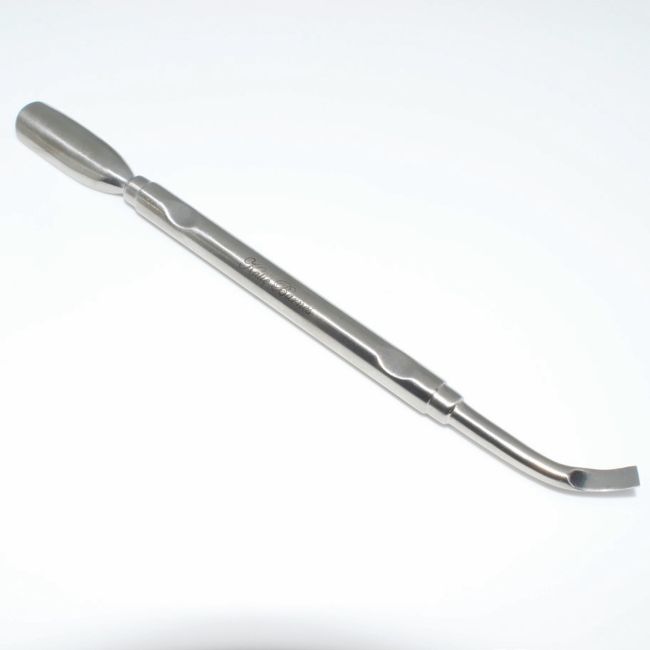
KB Double-ended Cuticle Tool £29.99 inc VAT
www.katiebarnesacademy.com
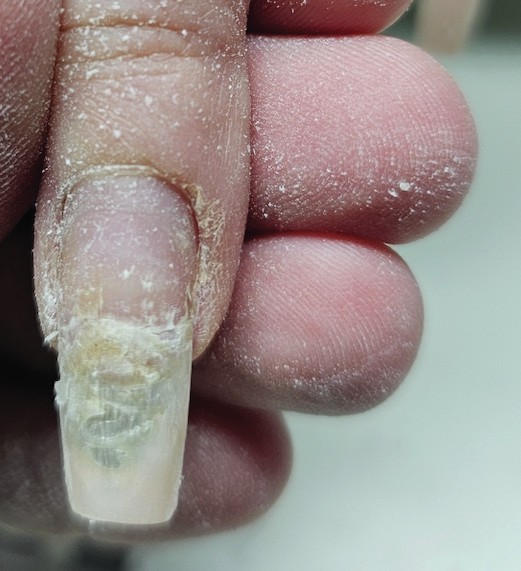
Lifting experienced by a client of Maya Juranova.
“This looked like gradual lifting that occurred because the nail was too long,” Maya explains. “The pressure being put on the nail caused lifting around the cuticle area. As the client continued with day-to-day activities, repeated force on the nail saw the lifting spread. Eventually, layers of the natural nail pulled away with the product, resulting in damage.”

MelodySusie Medium 1.8mm Ball Cuticle Bit £8 inc VAT
www.melodysusie.com
Over-application
“Hard gel isn’t difficult; it is technical,” details Dudley-based nail educator, Anastasia Kokina of @anastasia.naileducation. “Most of the problems nail techs face don’t start after curing – they start at the application stage. Once you understand placement, everything becomes easier.

Anastasia Kokina
“Applying too much product can lead to undercuring, a heavy-looking structure and lifting,” she continues. “Overloading the cuticle area increases the risk of lifting and shifts the stress area as the nail grows, while too much product at the free edge overloads the tip and leaves the stress area too thin to handle pressure.” The pro notes that applying too little product also has a negative impact, sharing that this ‘creates weak architecture that can crack and lift under pressure’.
“Due to the self-levelling properties of some gels, pros often compensate with too much product,” adds Catriona Leith. “A thin ‘slip’ layer prior to bead application can help the gel seamlessly blend onto the nail, without bulk. Building layers, rather than using a big bead, also supports product control.
“Keep product at the cuticle and sidewalls thin and flush, as most of the gel needs to be concentrated at the apex: roughly a third of the way down the natural nail. Using a liner brush can provide more control when smoothing and refining hard gel.”
The GelBottle Inc Liner 03 Brush £10.75 inc VAT www.thegelbottle.com
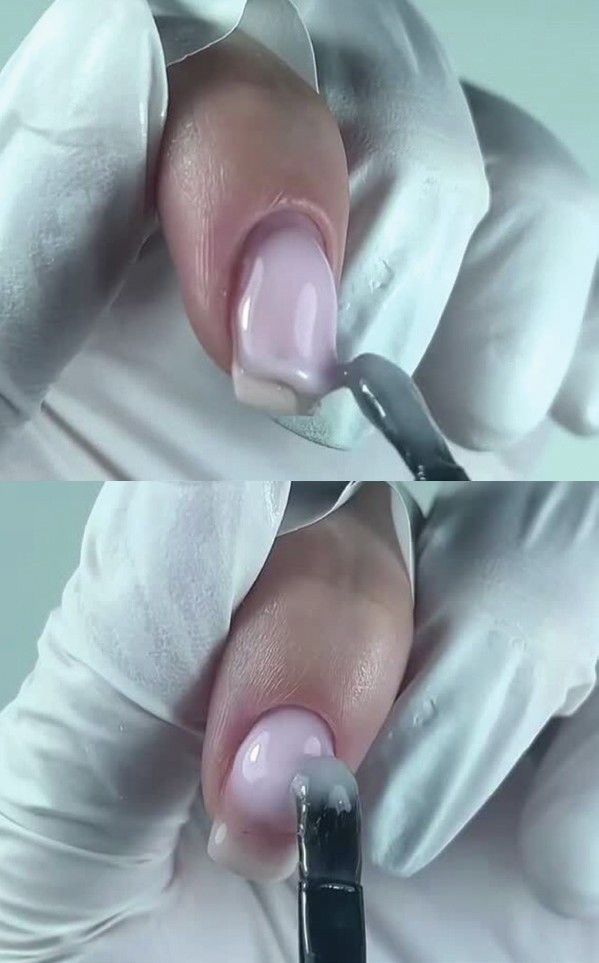
Anastasia Kokina demonstrates over-application of hard gel – across the entire nail and at the cuticle.
HARA Professional Pro Liner Gel Nail Brush £6.99 + VAT www.astonandfincher.co.uk
Heat spike spotlight
“I often see nail techs reporting heat spikes when using the gel system, and there are two key ways to prevent this,” details Maya Juranova. “Applying gel in multiple, thin layers – rather than over-applying it, creates a consistent and comfortable cure, as does using a compatible lamp for the product.”
“Clients with weak, thin or flat nails may be more likely to experience heat spikes, so apply thin gel layers and gradually build up the nail structure,” notes Clare Hanson.
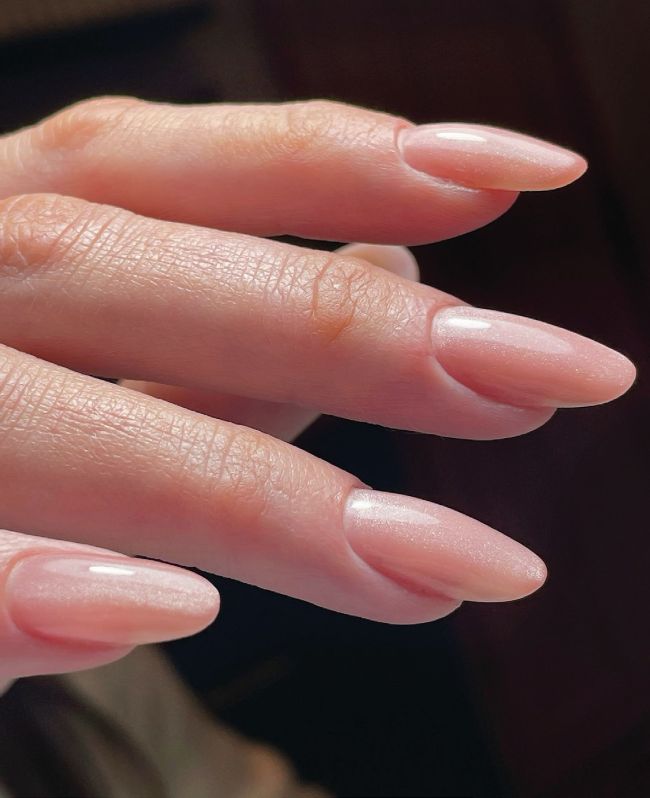
Nail educator,Diana Pajeva, used hard gel to craft these strong and stylish nails.
‘‘Most of the problems nail techs face don’t start after curing – they start at the application stage. ‘‘
Improper curing
“Pigmentation, the thickness of gel layers and lamp selection all affect the curing process,” shares Faranak Shafie, Scratch Stars Gel Tech of the Year finalist 2026. “Always follow the manufacturer’s recommended curing time – more time in the lamp doesn’t automatically mean a better cure.

Faranak Shafie
“I’ve had clients come to me from other salons, and the gel on their nails looked normal from the outside. However, when I started removing the upper layers, I found that the product underneath was soft,” Faranak continues.
“Undercuring happens when thick layers of product are applied – particularly darker gel colours, as it is more difficult for UV/LED light to penetrate through the pigments,” explains Clare Hanson. “Over time, improper curing can cause an allergy. Always make sure that clients are placing their hands correctly in the lamp.”
The soft gel treatment
“One of the biggest mistakes I see nail techs make is treating hard gel like it’s soft gel,” notes Edinburgh-based hard gel educator, Diana Pajeva of @dianas.nail.art. “They concentrate the nail structure over the stress zone by turning the client’s hand over to create an apex, but only leave a thin layer of gel at the free edge. Hard gel is rigid, while the natural nail is flexible, so this constant movement can cause separation of the product from the nail.

Diana Pajeva
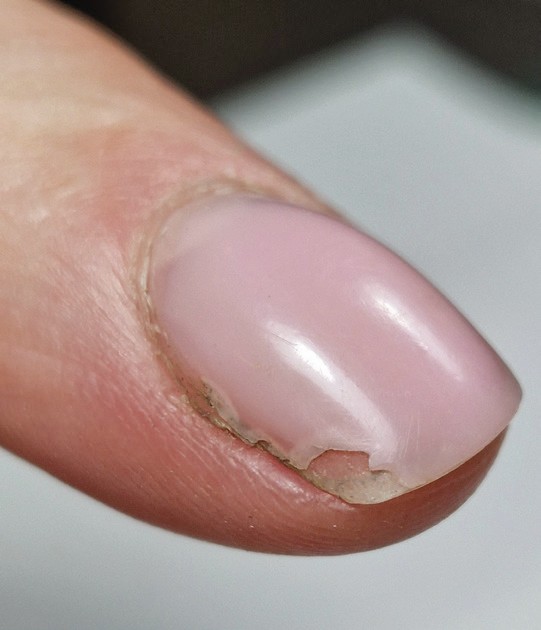
Gel lifting and chipping, shared by Diana Pajeva.
“At this point, a lot of nail techs assume that hard gel doesn’t work for them, but the problem isn’t the product; it just needs a different application method,” Diana continues. “Hard gel requires a thin application around the cuticle, with the free edge reinforced with more product to provide strength. Underneath the free edge should then be filed to create a strong C-curve, reducing the chances of lifting and ensuring that the nail doesn’t look too thick.”

Eleonora Sinkeviciene
Eleonora Sinkeviciene of @elitenails_academy, a hard gel educator based in Haverhill, Suffolk, agrees that ‘hard gel demands its own structure and a different approach from soft gel systems’. “Soft gel flexes with the natural nail, but hard gel does not and doesn’t forgive an under-built free edge. Lifting occurs when the natural nail is left flexing underneath a gel that can’t move,” she says.
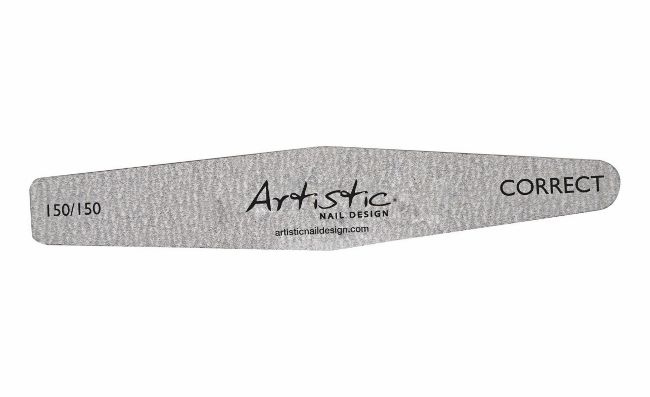
Artistic Nail Design Correct 150/150-grit File 95p + VAT
www.sweetsquared.com
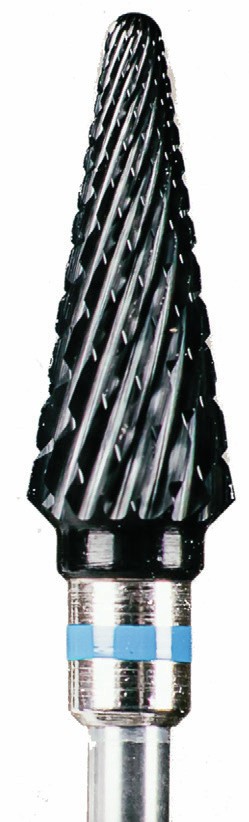
Willow The Dahlia E-file Bit (Black DLC) £20 + VAT
www.willowacademy.com “Fixing this comes back to nail architecture: correcting the sidewalls and lower parallels, and building to the natural nail’s apex and the hidden apex.”
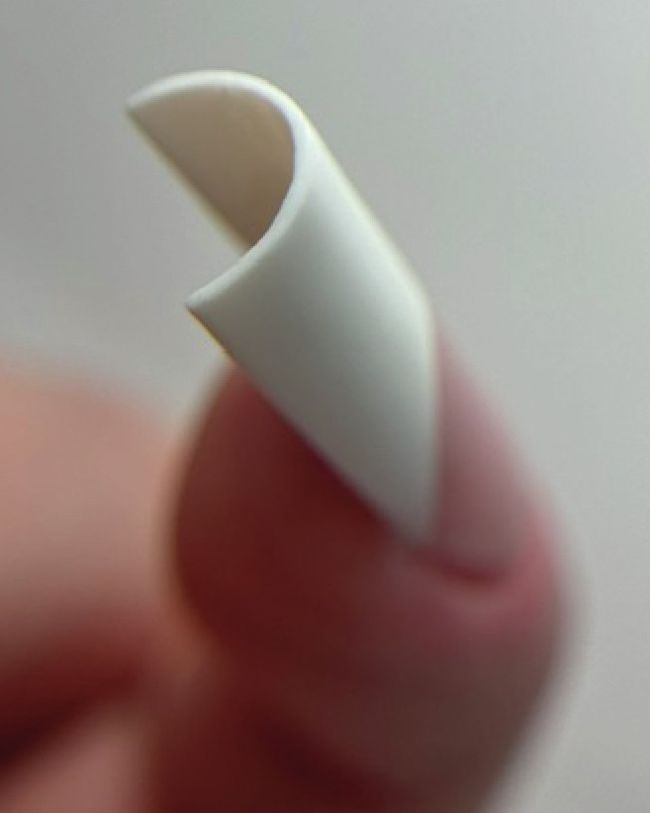
A strong C-curve demonstrated by Justyna Pryke.
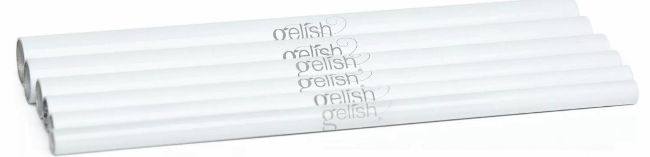
Gelish C-curve Dowels (6pk) £19.99 + VAT
www.gelishmorgantaylor.co.uk PRODUCT POINTERS
“Never underestimate the difference that a high-quality gel brand can make,” says Maya Juranova. “Quality often means a product is easier to understand and control, allowing you to concentrate on your technique.”
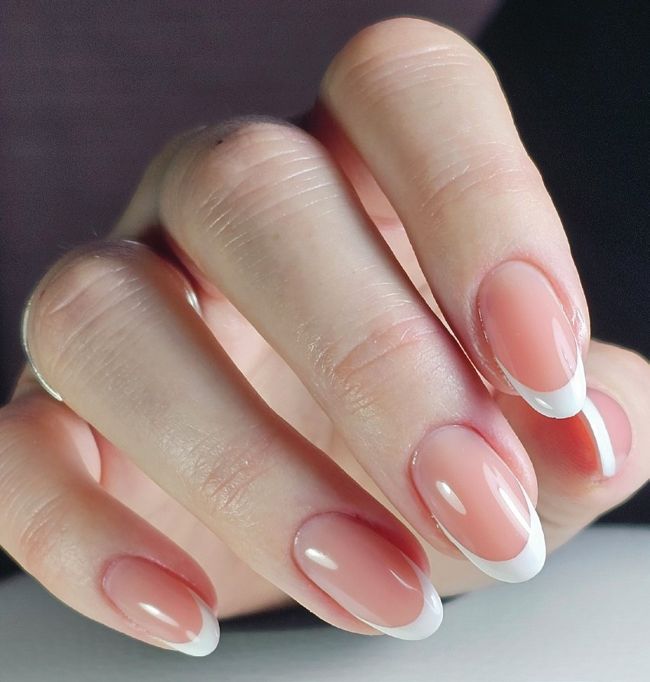
Maya Juranova is behind this sleek French gel mani.
“However, it’s important to remember that not every product from a high-quality brand will be suitable for every client,” states Faranak Shafie. “What works well for one client might not be the right choice for another, as natural nails vary. Some are thin and flexible; some are naturally thick and strong; some have a pronounced C-curve, while others grow upwards. If a gel product is too rigid for a client’s natural nails, product retention is likely to be poor. Therefore, always assess natural nails before choosing a product, analysing their thickness, flexibility, shape and growth direction.”
“It’s not about having every gel product possible; it’s about understanding the products you have and what they’re capable of,” adds Justyna Pryke.
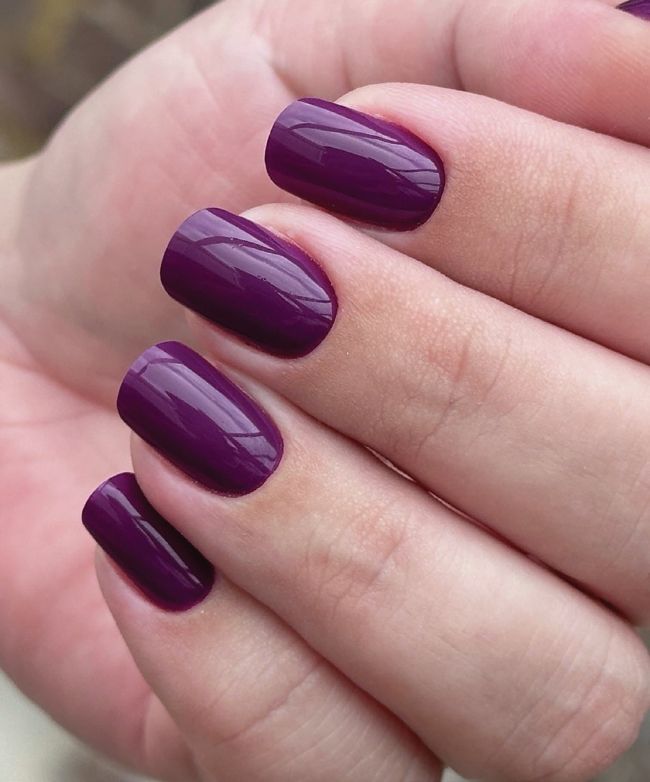
A glossy plum overlay by Eleonora Sinkeviciene.
‘‘ What works well for one client might not be the right choice for another, as natural nails vary. ‘‘