NAILSTYLE
Mixed Media Mastery
Take nail skills to a new level by exploring surface art, 3D embellishments & sculpture. ALEX FOX shares notes from nail stylists to support
Part 1
Creating mixed media nail art requires intention and planning. Clarity of thought around the shaping of a design helps the artist form the story that will unfold across the nails. They must consider many aspects in order to select the most suitable tools, materials, textures, forms and embellishments.
Scratch
asked mixed media nail experts from around the world how they approach the creative process...
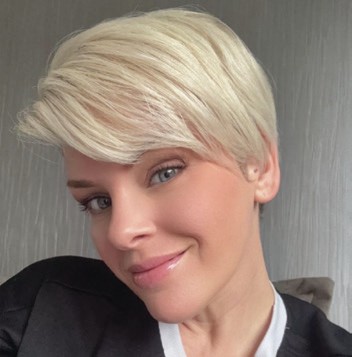
Scarlett Senter, UK – award-winning nail artist, educator & international judge
@scarlett_senternailartist
“The first thing I consider when creating salon-style mixed media nails is wearability. I ask how the design will fit around the clients’ lifestyle and how long it needs to last. 3D work must be secure, balanced and functional – not just photogenic. Once I’m confident the look will hold up in real life, I select the appropriate products and techniques.
“Mixed media artistry is about intentional combination. Every element should work together to create texture, dimension and balance, while remaining wearable. The same mindset applies to crystal placement; crystals should be integral to the design, not an afterthought. Considered placement is essential for balance, durability and flow, and ensures the embellishments enhance the nails rather than overpower them.
“Planning plays a key role in my process. Before I begin creating the nails, I consider the overall design, where the mixed media and crystals will sit, how much weight the nails can support and how the elements will be secured. This ensures the finished style feels intentional, lasts well and avoids appearing overworked.”
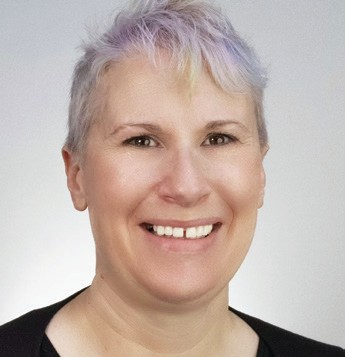
Guin Deadman-Littlefield, USA – award-winning nail artist, master educator & international judge
@nailsbyguin
“I begin by establishing whether there’s a required theme. If there isn’t, I define my own and consider how best to interpret it creatively. Having a clear theme from the outset gives a nail design direction and purpose.
“Mixed media means using different materials to communicate a specific design intention, rather than combining them for the sake of variety. Each medium should serve a clear role within the overall concept.
“I plan the majority of a nail design before I begin creating it, so I understand where the key elements will sit and which media is best suited to crafting them. My choices are guided by whether a particular medium can achieve the desired effect, how it will be positioned within the design, and how it contributes to balance and cohesion. This approach ensures the finished piece feels considered and intentional, rather than visually overloaded.”
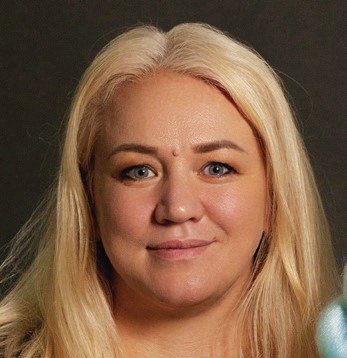
Elena Popova, Russia – nail expert, global educator, judge & mentor
@nailfp
“As a mixed media competition coach, I start by analysing a student’s skills, technical capabilities and the products they are confident using. This approach helps prevent the frustration of ‘expectation versus reality’ and reduces mistakes. Only once this foundation is established do we move on to sketching the design and selecting specific techniques.
“Mixed media is not simply the use of different materials, but a carefully designed combination of multiple skills and artistic methods. Typically, this involves at least five techniques that work cohesively. These may include painting, decorative elements, bas-relief and sculpted 3D components. Each technique must support the artwork, rather than exist independently.
“Mixed media planning should be highly detailed. A well-considered composition, clear storyline and thoughtful use of colour are required. It’s also essential to determine which elements will serve as focal points and which will act as supporting features. This helps prevent visual chaos and ensures the integrity and balance of the final design.”
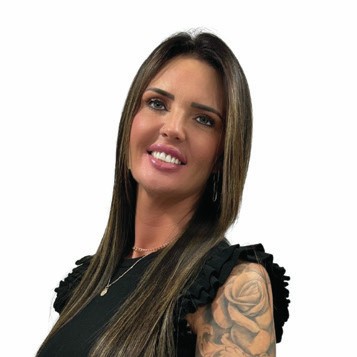
Jade Barber, UK – award-winning nail artist, educator, judge & brand owner
@nailandbeautyexcellence
“The first thing I consider when approaching a mixed media piece is the idea behind it. As a judge, I want to understand what the design is communicating, and whether the artist has considered how it will be constructed before selecting products. Mixed media is not about using as many elements as possible; it’s about combining different materials in a way that feels cohesive and supports the overall concept.
“At competition level, planning is essential. I expect to see clear consideration of a focal point, balance and scale, as well as thoughtful decisions around attachment methods and the construction of the design. Salon work prioritises wearability and longevity, whereas competition work requires greater creative freedom. However, I still expect strong structure, control and intention.
“Begin with a clear idea, limit your materials and focus on clean execution. Strong mixed media designs are the result of careful planning, not the over-use of techniques.”
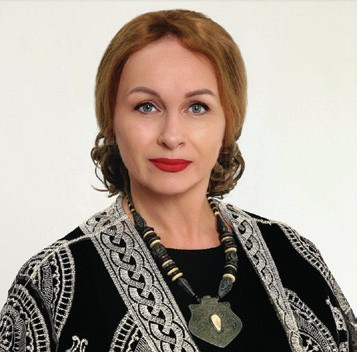
Elena Maltseva, Russia – award-winning nail artist, global educator, judge & mentor
@elena_maltseva_nail
“The mixed media competition process begins with selecting a theme. If it is open, I choose whatever inspires me at that moment. If the theme is set, I determine a clear direction within it. Once the concept is defined, I carefully select visual references from photo libraries or social media. I often create a collage to map out the design. At this stage, it’s essential to strictly follow the competition guidelines. Size, format and presentation parameters must be clearly understood before any work begins. Next, the colour scheme is defined. This determines the mood, message and atmosphere of a piece, helping to communicate setting, emotion and structure.
“Layout and composition are fundamental to my work, and I typically structure my designs into three visual zones. The first is the foreground: the area of highest contrast and detail, where the main message is communicated. This is where the hero, key object or group of characters appears, often shown in motion. These elements must be executed with the greatest level of precision and detail.
“The second zone is the environment. This features elements of secondary importance, such as buildings, interiors or household objects. While less dominant, they provide essential context, anchoring the key elements within a specific place, action and moment in time. Finally, there is the background. This area is typically softer and less contrasting, helping to create depth, space and perspective. The background allows the viewer to understand distance and scale, and does not compete with the focal elements. Once these zones are defined, I plan the sequence of execution. As a general rule, I begin with the background before building forward into the composition.”
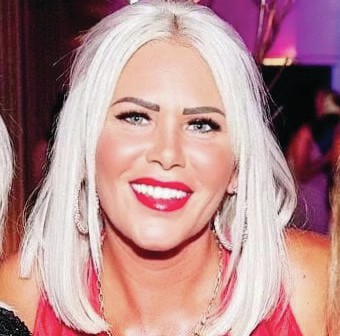
Hazel Dixon, UK – decorated nail expert, global educator, judge, brand owner & distributor
@hazeldixon
“To plan a mixed media design, I look for inspiration in magazines, books and online, then create a mood board. From there, I map out the design in layers, deciding on the colour palette and which media is best suited to each element. Mixed media is the intentional use of multiple mediums that work well together. Two mediums combined can create more depth and dimension than one alone.
“When creating a competition design, I’ll often step away for a couple of weeks then revisit the concept with fresh eyes. I advise holding the finished vision of the style in your mind, then breaking the look down into stages, starting with the background. This helps the process feel manageable, rather than overwhelming.
“A common mistake I see is nail pros relying too heavily on the medium they feel most comfortable with, which can result in a design dominated by one material. I encourage artists to step outside of their comfort zones, as using a mix of media adds depth, dimension and technical interest.”
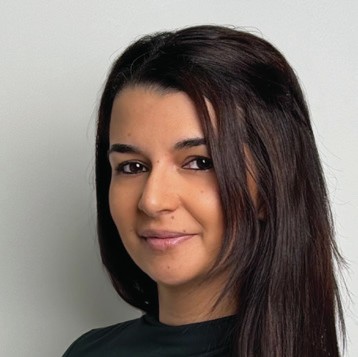
Sara Pinto, Portugal – Andreia Professional nail product director & international judge

@sari_s_pinto
“Mixed media designs are part of the artistic and avant-garde side of the nail industry, and push nails beyond pure functionality into creative expression. These styles are particularly important in competitions, shows and editorial work, where they act as a showcase for innovation and trendsetting. They help professionals develop advanced skills, differentiate themselves in a competitive market, attract clients seeking unique experiences and strengthen their artistic identities.
“The rise in popularity of mixed media nail art can be linked to the industry’s growing appetite for individuality, technical excellence and visual impact. Mixed media styles allow artists to push boundaries and explore complex structures, which naturally appeal in a social media-driven world where bold, innovative visuals gain attention. Additionally, an increase in education and competitions has made advanced techniques more accessible, encouraging nail professionals to explore mixed media styles with greater confidence.”
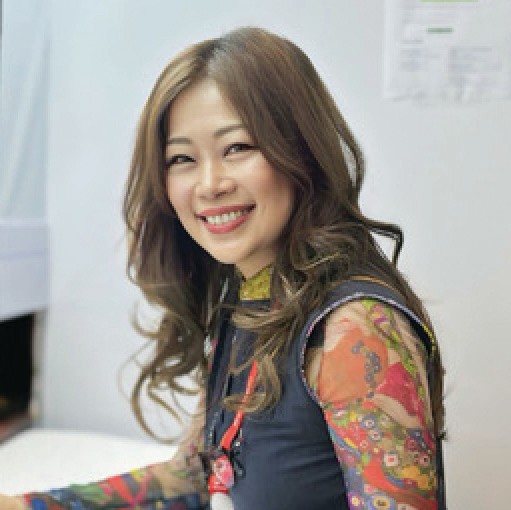
Catherine Wong, Singapore – award-winning nail artist, global educator, judge & mentor
@catherinewongnailqnailart
“If a theme is specified, the first step in creating a suitable mixed media piece is thorough research. What is equally important is reviewing the rules and judging criteria, as these define how the work will be assessed. For example, ‘originality’ requires the design concept to be as distinctive and personal as possible. Meanwhile, ‘level of difficulty’ influences decisions around how many media to incorporate, and which products or techniques best demonstrate technical skill.
“I categorise mixed media nail art into four key segments:
1. Nail products or systems: L&P acrylic, LED/UV gel, hybrid systems, glue/resin, lacquer, rubber base.
2. Art media: acrylic paint, watercolour, inks, pigments and chromes.
3. Art embellishments: glitter, stones, crystals, foils, tapes, texturing materials, nets and feathers.
4. Nail art techniques: painting, airbrushing, inlay, sculpting, silk wrap, tips, 3D and embossing.
“Any combination across these categories can be considered mixed media. Ideally, at least one medium from each segment should be included. Competition rules may also limit the percentage of embellishments used, as judges want to see techniques and craftsmanship, rather than reliance on pre-manufactured elements.”
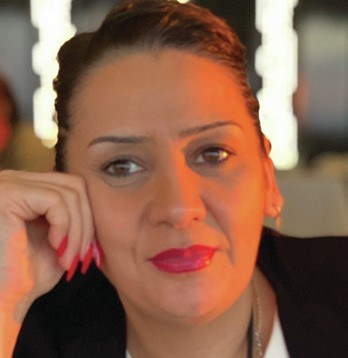
Jacqueline O’Sullivan, UK – nail competition director, international judge & lecturer
@jacqui0s
“I recommend starting with techniques you’re already confident with, whether that’s gel polish painting, simple line work or basic embellishment placement. From there, introduce one or two new media, such as pigments or small 3D elements, and gradually build from that point. Working in layers keeps the process manageable and helps boost confidence. Competition-level mixed media designs may appear complex, but they are combinations of smaller, well-executed techniques.
“Breaking a design into stages makes it far less overwhelming. Start with a base layer, such as an ombré, colour wash or simple background. Add your first medium, followed by a second, for instance texture or subtle 3D accents. As confidence grows, additional media can be introduced. Finish with top coat application and final refinements. Focusing on one layer at a time offers clarity and control.”
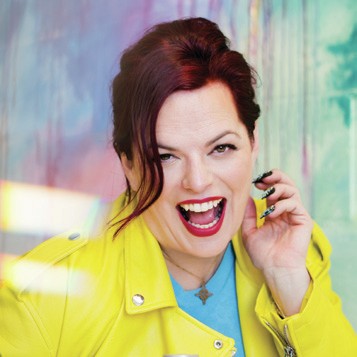
Valerie Ducharme, Canada –
NAILS Next Top Nail Artist
(NTNA) Season 5 winner, global educator, judge & mentor
@vdnailart
“One of the biggest mistakes I made at the start of my career was creating mixed media pieces without considering how they would photograph. In competitions that are judged exclusively from photographs, judges cannot view submissions from multiple perspectives. Early in my career, I created largely from instinct and emotion, without accounting for a photograph being the sole interpretation of a work. Today, the first question I ask myself is: How will this piece read in a single image?
“Mixed media work requires nail professionals to think about visual design. Adding 3D elements without careful consideration of composition, lines and visible volume from one viewpoint can quickly weaken the structure of a piece. Every element must be intentional to maintain balance, coherence and impact.
“Mixed media is, above all, visual storytelling. It’s about creating a universe, emotion or message and guiding the viewer through it. The different media become a language in service of that story. A judge or viewer should not have to search for meaning – the intention should be immediately clear. Mixed media is a considered balance of texture, volume and media, which exist to support the message – not overpower it.
“Planning is the most time-consuming and important part of the process. Before any product is touched, research, sketching, conceptual thinking and artistic direction are needed. This is where originality is formed. Effective planning defines visual, emotional and conceptual direction. It also anticipates how the work will be judged, and if 3D elements may create unwanted shadows.”
“Looking at this artwork of Maleficent, viewed through a photo-only judging lens, the piece lacks a clear focal point. Multiple elements compete for attention at the same level: the face, bird, feathers, crystals without sufficient contrast and textures that lack defined depth. The result is confusion. A judge may think, ‘This is impressive – but where should my eye go first?’.
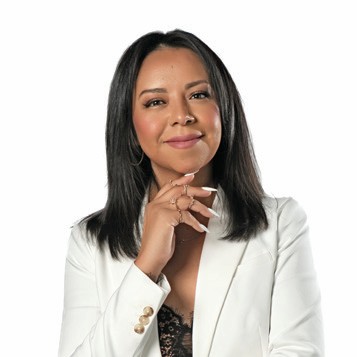
Giselle Caballero, Canada –
NAILS Next Top Nail Artist
(NTNA) Season 7 winner, global educator & judge
“I begin a mixed media design by considering the story and intention behind it. Mixed media is never just about technique; it’s about meaning. I ask myself what the piece should express, what emotion it should convey and how the design should exist in space – not simply on the nail. Once that vision is clear, the products and techniques naturally fall into place to support the story.
“I see mixed media as intentional storytelling through materials. It’s not about the number of elements used, but how carefully they are selected and how they interact. Strong mixed media work feels cohesive and purposeful, with every texture, product and technique contributing to the overall message, rather than competing for attention or filling space unnecessarily.
“Planning plays a vital role in my creative process. I sketch or mentally map out the structure, particularly when working with 3D elements. This requires me to consider balance, scale, weight distribution and overall flow. While planning can sometimes take longer than execution, it ensures the finished piece feels deliberate, confident and visually impactful.”
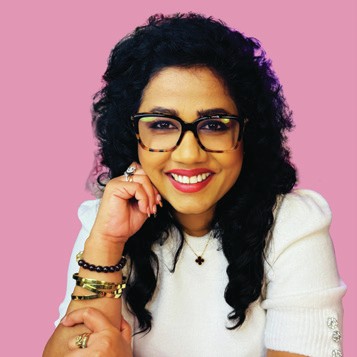
Dinupa Jayasooriya, Sri Lanka & UK – nail educator, international judge & mentor

@thenailartacademy
“Before considering products or techniques, my focus is always on a mixed media piece’s theme and its relevance to the present moment. Trends, mood and timing play important roles, as strong designs feel connected to current events.
“I define mixed media as the freedom to move beyond the traditional structures of nail art and extensions, and not being confined to a single system or technique, but allowing creativity to lead. Mixed media invites artists to explore new forms, textures and combinations that would not traditionally be used together. It’s a way of using skills to create something original and expressive.
“My planning begins with the theme, then moves into practical considerations, including size, weight and the model. I also think ahead to presentation – particularly camera angles and how details will translate in photographs or on stage.
“For salon styles, my focus is centred on the client. Mixed media and crystal elements must be comfortable, secure and wearable in day-to-day life. I pay close attention to scale, weight and placement to ensure the design enhances the hands, rather than overpowers them. In competition work, those limitations no longer apply. The focus moves towards concept, creativity and technical expression. Mixed media becomes a tool for pushing boundaries, exploring ambitious structures and creating strong visuals. It is about storytelling, innovation and demonstrating skill in a way that immediately commands attention under judging conditions.”