Breaking Down Barriers
ALEXANDRA TAVERNER
Beauty educator, business coach, founder of The Clubhouse membership &
ADHD UK
ambassador www.alexandrataverner.com
@alexandra.beautyexpert
/ alexandrabeautyexpert & /groups/beautyandaestheticsadhd
@alexandra_beautyexpert
@Beautifully_ADHD
Nail techs share how they navigate challenges to flourish in their careers
How my ADHD diagnosis inspired me to offer neurodiversity support
I’ve always been creative and expressive, but growing up, I didn’t have the best time at school and wasn’t sure what I wanted to pursue as a career. My mum suggested that I study beauty as I enjoyed creating make-up and nail looks. However, the teachers at the first college I attended informed me that I wasn’t suited to their learning environment, due to my hyperactivity, impulsiveness and inattention. As a result, I moved to another college and pursued an apprenticeship. I worked in salons, and soon realised that I had found a career path that I enjoyed and my characteristics weren’t negative: I just needed to find a role that was the right fit.
It wasn’t until December 2024 that I was diagnosed with ADHD, a month before I turned 40. For 15 years before this, I had been focused on self-development and learned coping mechanisms, which I now realise helped me manage my neurodiversity. One of these methods is ‘the power of pause’, which I teach to other professionals. In the past, if I felt unregulated or certain situations arose, internal alarm bells would ring and I would feel that I had to speak up and respond immediately. Unfortunately, this meant that I didn’t always display my best self, so over time, I taught myself to pull back in these moments and reflect on what I plan to say or do.
Another coping mechanism involves choosing not to listen to other’s opinions of my capabilities. For example, hyperfocus is one of my neurodiverse traits, meaning that I want to know everything about topics I’m passionate about and lose hours mastering skillsets I enjoy. This can highlight insecurities within other people and cause them to spread negativity. Being highly sensitive, people’s reactions to my skills have previously caused me to dim my light and what I’m capable of. Now, I only take on board the views of people who matter to me.
I’m proud of how well I coped with my ADHD symptoms before being diagnosed. I believe I stayed undiagnosed for as long as I did because I was able to build a business that suited me, where I didn’t need to conform to the mainstream. I’ve learned to work with my brain, not against it. For instance, my ADHD means that I like to talk, which has helped me build strong relationships with clients. However, I still felt that I needed to know if I had ADHD. Although I was sure I did, I wanted clarification on why my brain seemed to take control. When I received the diagnosis, I felt relieved that the challenges I had experienced had reason.
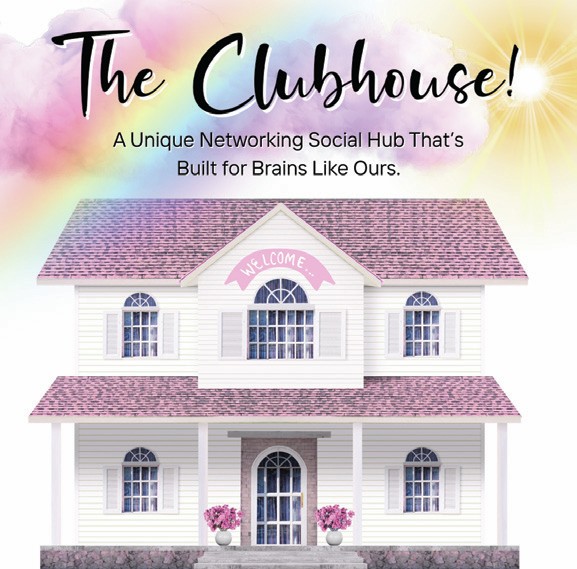
Following this, I thought about the beauty students I had taught over the years, including neurodiverse learners. I tend to notice the different characters in a room, and I reflected on how uniquely talented the skillsets of neurodiverse beauty professionals are. I knew that more awareness needed to be raised about this, and I wanted to be the person to speak up about it. I also started to wonder how many other people in the beauty industry had faced the same challenges as me, and felt misunderstood and isolated. I believed there needed to be a community for neurodiverse pros.
I decided that my future focus would be supporting female creative business owners with ADHD, as I wanted to offer them the support that I wish I’d had when launching my businesses. I started coaching ADHD beauty pros, helping them to manage their symptoms around work, leverage their skillsets and stay organised to reduce overwhelm. I absolutely love what I do and am so glad I made this career pivot.
Advice for neurodiverse beauty pros
Don’t be anybody but yourself – you are meant to be you. If you try to be someone else, you are doing yourself an enormous disservice, because you are not recognising your unique gifts. Focus inward, build self-awareness and maximise your strengths.
Scan to watch Scratch’s video interview with Alexandra.